
Arizona's second home tax benefits offer significant savings for property owners. The state exempts primary residences from property taxes but imposes taxes on secondary homes based on appraised value (10%-35% higher). Strategic planning includes understanding residency rules and local real estate trends to maximize advantages. Energy-efficient design, smart technology, and versatile spaces enhance second home value while minimizing maintenance. Consulting tax professionals specializing in Arizona's definitions ensures compliance and optimizes deductions for long-term financial planning.
In today’s dynamic global landscape, the concept of lock-and-leave living has emerged as a compelling solution for those seeking a second home experience. This approach promises a seamless transition between primary residences and vacation retreats, offering both flexibility and financial benefits. Arizona, with its vibrant real estate market and favorable second home tax benefits, naturally stands out as a premier destination for such lifestyles. However, navigating this path is not without challenges. This article delves into the intricacies of lock-and-leave living, exploring its advantages, potential hurdles, and providing practical insights to ensure a successful transition into this lifestyle.
- Understanding Lock-and-Leave Living: A Modern Lifestyle
- Benefits for Second Home Owners in Arizona
- Choosing the Perfect Location: Key Factors to Consider
- Legal and Tax Implications: Navigating Second Home Ownership
- Building a Sustainable and Efficient Space
- Creating a Lock-and-Leave Haven: Interior Design Tips
Understanding Lock-and-Leave Living: A Modern Lifestyle
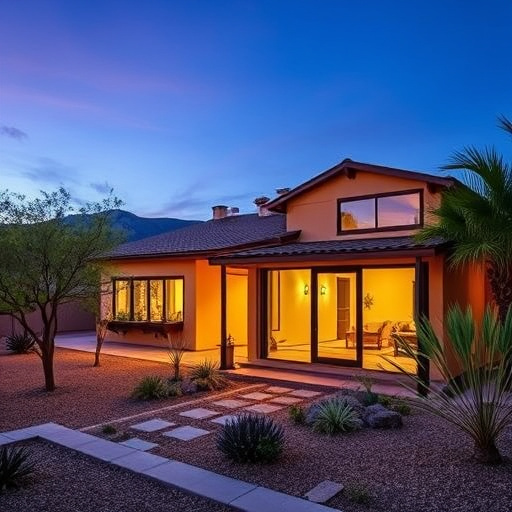
Lock-and-Leave living, a modern lifestyle choice, involves owning a property designed for easy access and minimal maintenance, allowing individuals to enjoy their time away from home with peace of mind. In Arizona, where second homes are increasingly popular, understanding the concept and its associated tax benefits is crucial. Unlike traditional primary residences, these properties cater to those seeking a retreat or vacation spot, offering a seamless transition between personal and leisure living. This approach has gained traction due to its flexibility and ability to provide a sense of escape from daily routines.
Arizona residents and non-residents alike can leverage the state’s favorable tax policies related to second homes. The Arizona primary vs secondary residence taxes dynamic is an essential consideration for homeowners. Typically, property taxes are assessed differently based on whether a property serves as a primary or secondary residence. For instance, owners of second homes may be subject to higher property tax rates compared to their primary residence counterparts. However, certain incentives and benefits can mitigate these costs. One notable advantage is the potential for second home tax benefits Arizona offers, including reductions or exemptions under specific conditions. These incentives often encourage the development of tourism infrastructure, which benefits both residents and visitors.
To maximize second home tax advantages in Arizona, homeowners should consult with tax professionals who specialize in this area. Experts can guide individuals through the process of claiming deductions, credits, and other benefits available for second homes. For instance, expenses related to property maintenance, repairs, and certain improvements may be deductible. Additionally, understanding the state’s definition of a primary residence versus a secondary one is vital. This knowledge enables homeowners to make informed decisions about their properties’ uses, ensuring compliance with tax regulations. By strategically navigating Arizona’s tax laws regarding second homes, residents can take advantage of significant savings opportunities while enjoying the lock-and-leave lifestyle.
Benefits for Second Home Owners in Arizona

Arizona’s unique tax laws offer significant advantages for second home owners, creating an attractive environment for those looking to invest in a recreational property within the Grand Canyon State. The state’s approach to primary versus secondary residence taxes is particularly noteworthy, providing substantial savings and flexibility for out-of-state residents who own vacation homes here. This favorable tax treatment allows Arizona to stand out as a premier destination for second homeowners, encouraging investment and fostering local economies.
For instance, compared to other states, Arizona imposes lower property taxes on secondary residences, often assessing them at rates 10% to 35% lower than primary homes. This difference can translate into substantial savings for owners who spend a portion of the year in their Arizona retreat. Furthermore, the state’s tax code recognizes the distinct needs of second homeowners by offering various deductions and credits specifically tailored to this demographic. These incentives include exemptions for certain property improvements and energy-efficient upgrades, further reducing taxable income.
Second home owners can optimize these benefits by strategically planning their residency patterns. Arizona law allows for a ‘split-year’ approach, where individuals can claim different residences in different tax years based on the amount of time spent in each location. This flexibility enables property owners to take advantage of lower tax rates for secondary homes when they spend less time there, effectively maximizing their savings. By understanding and leveraging these second home tax benefits Arizona offers, savvy investors can not only minimize their financial burden but also contribute to the vibrant local communities that benefit from increased revenue streams.
Choosing the Perfect Location: Key Factors to Consider

Choosing the ideal location for a lock-and-leave living setup involves careful consideration of various factors, especially when aiming to maximize second home tax benefits Arizona residents can enjoy. The state’s unique primary vs secondary residence tax structure requires a nuanced approach, making it imperative to understand these dynamics prior to investment. For instance, properties used as primary residences are generally exempt from property taxes, while second homes incur assessments based on their appraised value. This is where strategic planning comes into play.
Key factors to contemplate include the proximity to amenities and services essential for a hassle-free lifestyle, such as healthcare facilities, shopping districts, and entertainment venues. Arizona’s diverse landscapes offer opportunities for both urban lock-and-leave lifestyles in vibrant cities like Phoenix or Tucson, as well as serene retreats in scenic areas like Sedona or Flagstaff. Each location presents distinct tax implications; for instance, properties in rapidly growing urban centers might face higher property taxes due to increased assessment rates, whereas rural or suburban areas often offer more affordable tax brackets.
Additionally, considering the local real estate market trends and future development plans is crucial. Arizona’s robust economy and favorable business climate have led to increased investment in infrastructure and residential projects, which can impact property values and, consequently, tax assessments. For second home buyers, understanding these dynamics allows for informed decisions regarding the most suitable location that not only caters to personal preferences but also offers attractive second home tax benefits Arizona law permits.
Legal and Tax Implications: Navigating Second Home Ownership

Second home ownership presents a unique set of legal and tax considerations, especially when comparing Arizona’s primary vs secondary residence taxes. For those seeking lock-and-leave living—wherein a property is used primarily for vacation or rental purposes—understanding the tax implications is paramount to maximizing benefits like second home tax benefits Arizona residents can enjoy. The state offers various deductions and exemptions tailored to encourage responsible second home use, but these differ significantly from standard homeowner taxes.
In Arizona, secondary residences are subject to property tax while primary homes often benefit from reduced rates or exemptions. For instance, many counties provide a homestead exemption for primary residences up to $15,000 in assessed value, saving homeowners substantial amounts annually. In contrast, second homes typically fall under standard assessment, negating these exemptions. However, there’s a silver lining: short-term rentals of second homes may qualify for lower tax rates due to Arizona’s favorable laws for vacation property rentals. This can result in significant second home tax benefits Arizona residents can leverage to offset costs.
Navigating these complexities requires professional guidance. Real estate attorneys and tax advisors specializing in second home ownership can offer tailored strategies, ensuring compliance with local regulations and maximizing allowable deductions. By staying informed about changes in primary vs secondary residence taxes Arizona imposes, owners can make educated decisions regarding property usage, rental strategies, and long-term financial planning. This proactive approach not only eases the administrative burden but also ensures owners capitalize on the second home tax benefits Arizona offers.
Building a Sustainable and Efficient Space
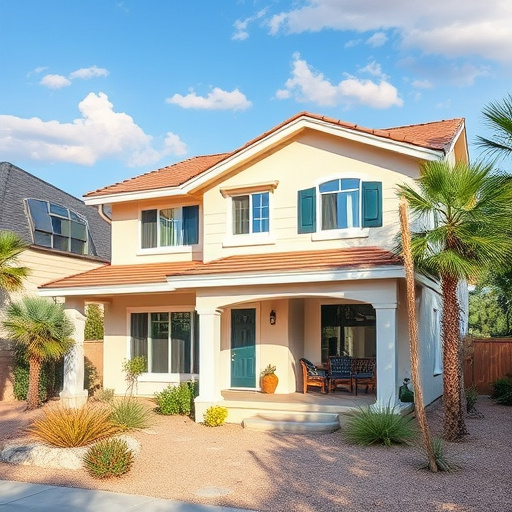
Building a sustainable and efficient space is a cornerstone of lock-and-leave living, particularly in Arizona, where the second home tax benefits are among the most generous in the nation. Arizona’s primary vs. secondary residence taxes play a significant role in shaping the financial landscape for homeowners, offering a compelling incentive for those seeking a lock-and-leave lifestyle. The state’s tax code recognizes the difference between primary and secondary residences, with secondary homes qualifying for lower tax rates, providing a practical advantage for those who maintain a second home as an investment or for occasional use.
To maximize these second home tax benefits in Arizona, homeowners should focus on energy-efficient design and smart technology integration. Solar panels, energy-efficient appliances, and smart thermostats not only reduce utility costs but also align with the state’s commitment to sustainability. For instance, Arizona’s Solar Tax Credit allows for significant savings on the installation of solar energy systems, making it a strategic investment for second homeowners looking to reduce their environmental footprint and tax burden. Furthermore, efficient water systems, such as low-flow fixtures and smart irrigation controllers, can contribute to water conservation and lower property taxes, as many municipalities in Arizona offer tax breaks for water-efficient homes.
Expert advice suggests that a thoughtful layout and high-quality materials are essential for creating a lock-and-leave space that remains both functional and cost-effective. Consider design elements that promote easy maintenance, such as low-maintenance landscaping and durable, scratch-resistant finishes. Additionally, smart home automation systems can enhance security and convenience while allowing for remote monitoring and control, ensuring peace of mind for homeowners who won’t be present on a daily basis. By combining these strategies, Arizona residents can build a second home that not only enjoys the tax benefits but also serves as a comfortable, efficient, and secure retreat, reflecting the state’s unique blend of natural beauty and modern convenience.
Creating a Lock-and-Leave Haven: Interior Design Tips

Creating a lock-and-leave haven is an art that can significantly enhance your experience of owning a second home in Arizona, particularly when you consider the state’s generous second home tax benefits. With the right interior design approach, your residence can become a space that requires minimal upkeep yet offers maximum comfort and style, catering to both primary and secondary residents alike.
In Arizona, the distinction between primary and secondary residences is crucial, especially in terms of taxation. Second home tax benefits are designed to encourage ownership while ensuring fair assessment. For instance, certain cities may offer exemptions or reduced rates for properties used as second homes, making it financially advantageous to create a welcoming environment that meets both practical and aesthetic standards. When designing your lock-and-leave haven, focus on versatility and self-sufficiency. Consider incorporating smart home technology to automate tasks like lighting and temperature control, ensuring your home can be easily managed from afar. Additionally, opt for low-maintenance materials and finishes that are durable and easy to clean, a practical choice given the frequent comings and goings of second home owners.
For a seamless transition between long-term stays and short-term visits, create functional yet inviting spaces. Multifunctional furniture, such as pull-out beds or sofa beds, allows for flexible arrangements. This is especially beneficial in smaller homes where every square foot counts. Incorporate built-in storage solutions to keep the space organized, a key factor in maintaining order when guests are present. For example, a well-designed locker system in the entry way can efficiently store coats, shoes, and other essentials, preventing clutter from taking over. By prioritizing practicality and aesthetics, your Arizona second home becomes not just a place to stay, but a sanctuary that feels like home, regardless of how much time you spend there.