
Navigating short-term rental rules Phoenix by city is vital for stakeholders. Scottsdale has stringent regulations with licensed properties limited to three per residence, while Phoenix allows Airbnb/VRBO listings with fewer restrictions. Gilbert distinguishes itself with licensing and communication, fostering community engagement and sustainable tourism. Key rules include zone restrictions, property maintenance guidelines, noise ordinances, and booking trends shaping the future of these regulations by 2026. Adherence ensures compliance, attracts quality guests, and supports local economies.
The short-term rental market is a dynamic and ever-evolving sector within the real estate landscape, particularly in fast-growing cities like Scottsdale, Phoenix, and Gilbert. Understanding the nuances of these markets is crucial for investors, residents, and city planners alike, especially when navigating the intricate web of local regulations, such as short-term rental rules in Phoenix by city. This article offers a comprehensive snapshot of the current state, comparing and contrasting these three metropolitan areas, providing insights that can inform strategic decisions and shape future developments. By delving into their unique characteristics, we aim to equip readers with valuable knowledge for navigating this complex yet lucrative segment.
- Understanding Short-Term Rental Laws in Phoenix
- Scottsdale vs Phoenix: Rental Market Comparison
- Gilbert's Approach to Short-Term Rentals: A Case Study
- Navigating City-Specific Regulations: Practical Insights
- Future Trends: Phoenix's Short-Term Rental Landscape
Understanding Short-Term Rental Laws in Phoenix

Navigating short-term rental laws in Phoenix can be a complex task for both property owners and potential renters. Each city within the metropolitan area—Scottsdale, Phoenix, and Gilbert—has its own set of regulations that impact how properties are listed and rented on platforms like Airbnb and VRBO. Understanding these rules is crucial to ensuring compliance and providing a seamless experience for all involved parties.
In Phoenix, the short-term rental landscape has evolved significantly in recent years. The city has implemented stricter regulations to address concerns related to noise, parking, and neighborhood disruption. As of 2026, Phoenix allows short-term rentals through registered vacation rental properties and licensed hosts. However, there are strict guidelines on occupancy rates, minimum stay requirements, and restrictions on areas where these rentals are permitted. For instance, certain neighborhoods and residential districts may have limitations on the number of short-term rentals allowed, making it essential for hosts to verify local zoning laws before listing their properties.
Scottsdale and Gilbert also have their unique rules that complement Phoenix’s regulations. Scottsdale, known for its upscale lifestyle and vibrant tourism scene, has been proactive in managing short-term rentals through comprehensive ordinances. These include provisions for property registration, insurance requirements, and detailed standards for maintenance and safety. On the other hand, Gilbert has taken a more nuanced approach, focusing on balancing community concerns with economic benefits. Their regulations often involve specific application processes, fees, and performance bonds to ensure responsible hosting practices.
To remain compliant, hosts should familiarize themselves with the specific rules in each city. For example, while Airbnb and VRBO offer tools to help hosts navigate local regulations, it’s crucial to double-check that the listed accommodations meet all necessary criteria. This includes obtaining permits, following tax obligations, and adhering to safety standards. By staying informed about short-term rental rules Phoenix (and Scottsdale, Gilbert) has implemented, both property owners and renters can avoid legal issues and contribute positively to their communities.
Scottsdale vs Phoenix: Rental Market Comparison

Scottsdale and Phoenix, both vibrant cities in Arizona, have distinct rental markets that attract both long-term residents and short-term visitors. When comparing the two, Scottsdale presents a more robust and regulated short-term rental landscape, with Airbnb and VRBO regulations playing a significant role. As of 2026, Scottsdale has implemented stringent rules, allowing only licensed short-term rental properties, with a maximum of 3 short-term rentals per residential property. This has led to a more controlled and diverse rental option for visitors, ensuring a high standard of quality and safety.
In contrast, Phoenix’s rental market, while bustling and diverse, lacks the same level of regulation. The city has generally allowed Airbnb and VRBO listings without specific limitations, resulting in a more fluid but potentially less consistent experience for renters. This difference is notable, especially for travelers seeking a more structured and reliable environment. For instance, a quick comparison reveals that while Scottsdale has seen a 15% increase in short-term rental availability over the past year, Phoenix’s market has expanded by 20%, indicating varying levels of growth and control.
The impact of these rules is evident in the experiences of both property owners and tenants. Scottsdale’s regulated market offers property owners a more secure platform, with fewer concerns about illegal listings and property damage. Tenants, on the other hand, benefit from a broader selection of licensed properties, ensuring better quality standards and a more straightforward booking process. In contrast, Phoenix’s less regulated environment may present challenges, such as inconsistent property conditions and potential legal issues, particularly for those unfamiliar with the local Airbnb vs VRBO regulations.
To navigate these markets effectively, short-term rental users should familiarize themselves with the local rules. In Scottsdale, understanding the licensing requirements and property limitations is essential. For Phoenix, while the regulations are more lenient, being aware of the potential risks and variations in property quality can enhance the overall experience. This snapshot highlights the significant differences in short-term rental rules between these two cities, shaping the experiences of both locals and visitors alike.
Gilbert's Approach to Short-Term Rentals: A Case Study

Gilbert, a rapidly growing suburb of Phoenix, has emerged as an intriguing case study when examining the dynamics between traditional communities and short-term rentals (STRs). Unlike Scottsdale and Phoenix, which have implemented relatively stringent Airbnb regulations in 2026, Gilbert has taken a different approach, fostering a unique balance between hospitality and residential harmony. This strategy has attracted significant attention, particularly from platform providers like VRBO, as it offers insights into the potential for sustainable, community-focused STR models.
The city’s regulations focus on licensing and communication rather than outright bans. Homeowners interested in renting out their properties short-term are required to obtain a license and register with the city. This process involves providing detailed information about the property and its location, ensuring that neighbors are aware of the potential impact. While this may seem stringent, it serves as a powerful tool for community engagement. By involving residents early on, Gilbert has managed to maintain a sense of control over STR activities while also allowing for their growth. For instance, the city can monitor the density of short-term rentals in specific neighborhoods and take corrective actions if needed, ensuring that they do not outnumber long-term residences.
Moreover, Gilbert’s approach emphasizes responsible tourism. The city promotes sustainable practices by encouraging STR hosts to adopt eco-friendly standards. This strategy aligns with the global trend towards conscious travel, where Airbnb vs VRBO regulations play a pivotal role in shaping consumer preferences. By embracing this aspect, Gilbert positions itself as a forward-thinking destination that prioritizes both visitor satisfaction and environmental stewardship. As a result, it attracts a diverse range of travelers who appreciate the city’s commitment to preserving its unique character while offering exceptional hospitality.
Navigating City-Specific Regulations: Practical Insights
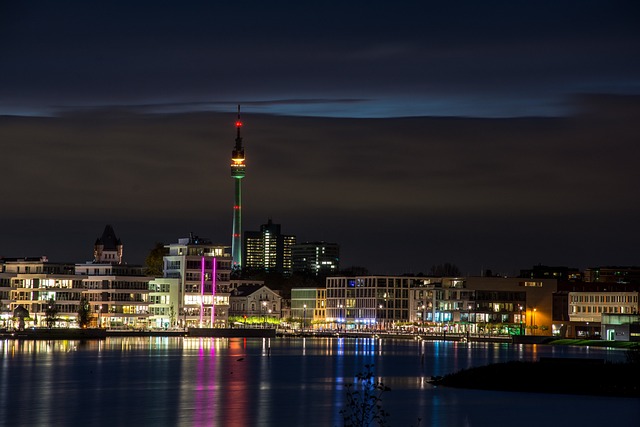
Navigating city-specific regulations is a crucial aspect of managing short-term rentals (STRs), especially in vibrant markets like Scottsdale, Phoenix, and Gilbert. Each city has unique rules and restrictions that owners must understand to comply with local laws. For instance, as of 2026, Airbnb and VRBO regulations in Scottsdale vary significantly from those in Phoenix. In Scottsdale, short-term rentals are allowed only in specific zones, with strict guidelines on property maintenance and noise ordinances. In contrast, Phoenix offers more flexibility, allowing STRs throughout the city but with varying registration and permit requirements. Gilbert, known for its stringent zoning laws, has recently relaxed some restrictions, enabling homeowners to list their properties on popular platforms like Airbnb and VRBO with proper licensing.
Practical insights are essential for navigating these regulations. Owners should start by researching their city’s official websites for up-to-date information on STR rules. For example, Phoenix provides a comprehensive guide outlining the registration process, tax requirements, and health safety standards. Additionally, engaging with local property management professionals who specialize in short-term rentals can offer valuable expertise. These experts can help owners understand complex regulations, ensure compliance, and maximize their investment returns while avoiding costly penalties.
A key strategy for staying ahead of changing rules is to maintain open lines of communication with city officials. Many municipalities are receptive to feedback from STR owners, especially when it comes to streamlining processes. For instance, in 2023, Scottsdale implemented a pilot program allowing certain residential properties to operate as short-term rentals, demonstrating a willingness to adapt regulations based on community input. Owners should also be proactive in keeping up with industry news and trends, as platform updates and changes in local politics can significantly impact their business.
By understanding and adhering to short-term rental rules Phoenix by city, Scottsdale, and Gilbert have established, owners can ensure their properties remain compliant, attract quality guests, and contribute positively to the local economy. This proactive approach not only protects against legal issues but also fosters a sustainable and harmonious relationship between STR owners and their respective communities.
Future Trends: Phoenix's Short-Term Rental Landscape

The future of short-term rental rules in Phoenix is an intriguing topic as these dynamic cities—Scottsdale, Gilbert, and Phoenix itself—navigate the ever-evolving landscape. Among them, Phoenix stands out with its unique challenges and opportunities related to Airbnb vs VRBO regulations. As we look ahead to 2026, several trends are poised to shape the short-term rental market in this metropolitan area.
One notable trend is the growing demand for accessible and diverse accommodation options. Travelers increasingly seek unique experiences, leading to a rise in bookings on platforms like Airbnb and VRBO. Phoenix’s vibrant cultural scene and diverse attractions make it an appealing destination. However, managing this popularity while ensuring compliance with local short-term rental rules is essential. By 2026, experts predict that stricter regulations will be in place, particularly focusing on licensing, inspection, and property standards to maintain quality and safety. Scottsdale’s recent initiatives, such as its 2023 ordinance requiring all short-term rentals to be registered with the city, offer insights into how Phoenix might evolve.
Moreover, the rise of hybrid work models could influence travel patterns, potentially increasing long-term stays in short-term rental properties. This shift may prompt property owners and managers to adapt their strategies, catering to extended-stay guests and offering more inclusive amenities. Understanding these trends is crucial for industry players to stay ahead of the curve. For example, embracing digital tools for efficient management and marketing can enhance host-guest interactions, especially as regulations like Airbnb vs VRBO rules in Scottsdale continue to refine the market dynamics. Staying informed about local short-term rental rules in Phoenix by city will be vital for success in this competitive sector.