
The Phoenix metropolitan area's housing market is shaped by diverse short-term rental (STR) rules across Scottsdale, Phoenix, and Gilbert. Scottsdale allows Airbnb-style rentals in specific districts with noise ordinances, while Phoenix caps STRs at 30 days, except for licensed properties. Gilbert sets annual limits (120 days), requires host registration, and offers incentives for responsible hosting, achieving lower vacancy rates and balanced market conditions. Understanding local short-term rental rules is essential for optimal housing utilization and accommodation availability during peak seasons.
The short-term rental landscape is rapidly transforming, particularly in vibrant metropolitan areas like Phoenix, Scottsdale, and Gilbert. As these cities grapple with the rise of platforms offering vacation-style accommodations, understanding local regulations becomes paramount for both residents and investors. This article provides a comprehensive snapshot of short-term rental rules in Phoenix by city—Scottsdale and Gilbert—to empower stakeholders with critical insights. By delving into permitting requirements, occupancy limits, and tax implications, we offer a clear, authoritative guide to navigating this evolving regulatory environment.
- Understanding Short-Term Rental Landscape in Phoenix Area
- Scottsdale vs Phoenix: Comparing STR Rules and Regulations
- Gilbert's Approach to Short-Term Rentals: A Comprehensive Look
Understanding Short-Term Rental Landscape in Phoenix Area

The Phoenix metropolitan area, a vibrant hub of culture and industry, has seen a significant shift in its housing market with the rise of short-term rentals (STRs). This trend has brought both opportunities and challenges for residents and local authorities alike. Understanding the short-term rental landscape across key cities like Scottsdale, Phoenix, and Gilbert is crucial for anyone navigating this evolving sector. As of 2026, Airbnb and VRBO regulations in Scottsdale have introduced stricter rules aimed at balancing the benefits of STRs with the needs of long-term renters. Phoenix, meanwhile, has seen a proliferation of these rentals, leading to debates over property zoning and noise ordinances. Gilbert, on the other hand, has taken a more measured approach, focusing on licensing and regulation to ensure safety and satisfaction for all stakeholders.
Each city presents a unique picture when it comes to STR rules. In Phoenix, while there is no citywide ban on Airbnb-style rentals, some neighborhoods have implemented local restrictions. This patchwork of regulations can be confusing for both hosts and guests, highlighting the need for consistent policy frameworks across the region. Scottsdale’s move to regulate short-term rentals through 2026 1-3 times per property has been praised for promoting fair competition and maintaining community character. However, Gilbert’s licensing system, which requires STRs to be registered and insured, offers a model that could potentially enhance safety and mitigate neighborhood disputes.
Practical insights for investors and residents alike lie in staying informed about local laws and adapting strategies accordingly. For instance, hosts considering Airbnb vs VRBO regulations in Scottsdale should familiarize themselves with the new rules, which may influence their property’s optimal utilization. Similarly, renters looking for accommodations during peak travel seasons should anticipate varying availability and prices across these cities, as STR regulations impact supply. Ultimately, the evolving short-term rental rules phoenix by city demonstrate the dynamic nature of the housing market and necessitate proactive engagement from all participants to ensure a sustainable and harmonious co-existence.
Scottsdale vs Phoenix: Comparing STR Rules and Regulations

Scottsdale and Phoenix, both vibrant Arizona cities, have distinct approaches to short-term rental (STR) regulations, offering insights into the evolving landscape of vacation rentals. While Phoenix has implemented comprehensive STR rules, including licensing and registration requirements, Scottsdale takes a more nuanced approach with specific districts allowing Airbnb-style rentals. As of 2026, Phoenix’s regulations favor long-term residents, limiting short-term lets to 30 days or less, except for certain licensed properties. This strategy aims to balance the housing market and maintain affordable living.
In contrast, Scottsdale’s rules are more permissive within designated areas, such as Old Town and Downtown, where homeowners can rent their properties on platforms like Airbnb and VRBO without additional permits. However, these districts have strict noise ordinances and guidelines for guest behavior to ensure a peaceful environment for residents. For instance, guests in Airbnb rentals must adhere to quiet hours, typically 10 PM to 7 AM, promoting harmony between STRs and nearby neighborhoods. This city’s approach allows for increased flexibility while still addressing potential issues related to short-term rentals.
The differences highlight the diverse strategies cities employ to manage vacation rentals. Homeowners in Scottsdale benefit from more open regulations, but Phoenix residents appreciate the long-term stability of rental markets with stricter rules. For travelers, this means a varied experience, from quieter stays in Scottsdale’s designated areas to the vibrancy and flexibility offered by Phoenix’s short-term options. Understanding these local rules is crucial for both property owners and visitors, ensuring a positive and compliant STR experience.
Gilbert's Approach to Short-Term Rentals: A Comprehensive Look
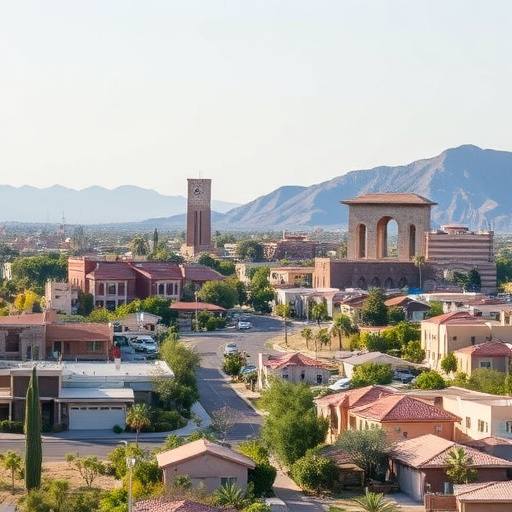
Gilbert, nestled between Phoenix and Scottsdale, has emerged as a standout destination for both long-term residents and visitors alike, with a unique approach to short-term rentals that sets it apart from its neighbors. In recent years, the city has implemented comprehensive regulations aimed at balancing the needs of homeowners offering their properties through platforms like Airbnb and VRBO with the interests of maintaining a peaceful and regulated rental market. As of 2026, Scottsdale and Phoenix have also introduced stricter short-term rental rules to control noise levels and protect neighborhoods from over-commercialization.
At the heart of Gilbert’s strategy lies a nuanced understanding of community engagement and economic growth. The city encourages responsible hosting by setting clear guidelines for property listings, including restrictions on the number of days a property can be rented out each year (typically limited to 120 days) and mandatory registration requirements for hosts. This proactive approach has led to a more stable and welcoming environment for both locals and short-term visitors. For instance, data from local real estate agencies shows that Gilbert’s controlled rental market has resulted in lower vacancy rates compared to Phoenix and Scottsdale, indicating a healthier balance between supply and demand.
Furthermore, Gilbert offers incentives for property owners who participate in the official short-term rental program, providing them with access to city resources and support for compliance with regulations. This not only ensures that all listings meet safety and quality standards but also fosters a sense of community and cooperation among hosts. As a result, travelers can expect consistent experiences when booking stays in Gilbert, whether through Airbnb or VRBO, knowing that the city prioritizes both visitor satisfaction and the well-being of its residents. By adopting these measures, Gilbert demonstrates its commitment to fostering a sustainable and harmonious co-existence between short-term rentals and long-term neighborhoods.