In Phoenix, guest house and casita properties gaining popularity for enhanced privacy and revenue generation. Navigating zoning regulations, permit costs (from $100 to $5K), and neighbor relations crucial. Local development code dictates setbacks, lot sizes, distance from property lines. Strategic fencing, landscaping, smart home tech enhance privacy. Adhering to city guidelines ensures legal, safe construction, contributing positively to the community.
In today’s digital age, privacy and zoning regulations are more critical than ever for property owners, especially those looking to establish guest houses or casitas in Phoenix. The rapid growth of the city has brought increased scrutiny on land use, leaving many residents grappling with complex legal frameworks. This reality check aims to provide an authoritative guide, offering insights into navigating privacy and zoning challenges specific to these unique properties. By delving into current trends and best practices, we empower property owners to make informed decisions, ensuring their investments thrive while respecting community guidelines.
- Understanding Privacy Concerns in Residential Properties
- Zoning Laws and Guest House/Casita Regulations in Phoenix
- Navigating Legalities: Permits and Building Codes for Additional Dwellings
- Maximizing Privacy and Profit: Best Practices for Phoenix Landlords
Understanding Privacy Concerns in Residential Properties

In Phoenix, the integration of guest house and casita properties has become a significant trend, reflecting evolving urban living needs and desires for enhanced privacy. However, as these secondary dwellings gain popularity, understanding the privacy concerns associated with them is paramount. Homeowners must navigate zoning regulations, building permits, and neighbor relations to ensure their guest houses provide both sought-after seclusion and compliance with local laws.
For instance, a Phoenix homeowner looking to convert their backyard into a comfortable casita faces regulatory hurdles. The city’s development code dictates specific requirements for setbacks, minimum lot sizes, and distance from property lines, which can limit design options. Moreover, obtaining the necessary permits for construction incurs costs—typically ranging from $100 to $500—depending on project scope, underscoring the financial commitment required for privacy enhancements.
Expert advice emphasizes thorough research into local zoning ordinances before initiating any construction. Homeowners should consult with city planners and experienced architects to design guest houses that respect both privacy needs and regulatory frameworks. For example, strategically placing fences or landscaping can offer a sense of seclusion without encroaching on public rights-of-way. Additionally, incorporating smart home technology allows for controlled access and enhanced security, ensuring peace of mind for both homeowners and their guests.
By addressing privacy concerns proactively and staying informed about permit costs (which may vary 1-3 times depending on project complexity), Phoenix residents can transform guest house and casita properties into valuable assets that offer both comfort and compliance. This thoughtful approach ensures these secondary dwellings contribute positively to the community while maintaining the desired level of privacy.
Zoning Laws and Guest House/Casita Regulations in Phoenix
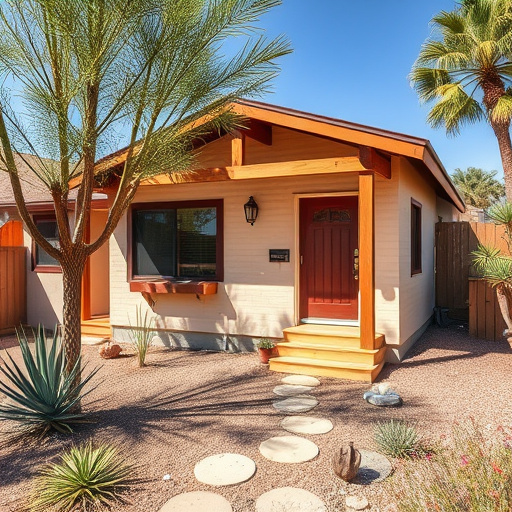
In Phoenix, guest house and casita properties have become increasingly popular for those seeking additional living space or revenue opportunities. However, navigating the city’s zoning laws and regulations can be a complex task. Understanding the permit requirements and costs associated with these structures is essential before breaking ground. According to recent data from the City of Phoenix Planning and Development Department, there has been a steady rise in backyard guest house permits issued, reflecting the growing trend of urban living and supplementary accommodation options.
The city’s zoning regulations classify properties into various districts, each with specific rules regarding permitted uses. For residential zones, including many neighborhoods across Phoenix, detached guest houses or casitas are generally allowed as long as they meet certain criteria. These may include restrictions on size, location, and distance from property lines. For instance, a typical permit for a backyard guest house in Phoenix might cost between $1,000 and $3,000, depending on the project’s scope and complexity. This fee covers application processing, plan review, and inspection services to ensure compliance with building codes and safety standards.
To ensure a smooth development process, property owners should proactively engage with local authorities to understand their specific zoning district regulations. Consulting with experienced architects or developers who are familiar with Phoenix’s unique requirements can provide valuable insights and guidance. By adhering to the city’s guidelines and obtaining the necessary permits, homeowners can create functional and compliant guest house or casita properties that enhance their living spaces while aligning with community standards.
Navigating Legalities: Permits and Building Codes for Additional Dwellings

Navigating the legalities of adding a guest house or casita to your Phoenix property involves understanding permits and building codes, which can seem daunting but are essential steps in ensuring compliance and safety. In Phoenix, the process begins with identifying the appropriate zoning regulations for your neighborhood. Many residential areas allow for accessory structures like guest houses, often defined as secondary dwellings that share a main structure’s utilities and access. However, specific rules vary widely across Phoenix’s diverse neighborhoods, so it’s crucial to check with local authorities or consult an architect or builder familiar with the area.
Permits are a critical component of this process. The City of Phoenix outlines specific requirements for backyard guest house permits, which can cost between 1% and 3% of the property’s assessed value, depending on the project size and complexity. This investment ensures that your addition meets safety standards and is legally compliant. For instance, a typical permit fee for a small, detached guest house might range from $2,000 to $5,000. It’s important to gather all necessary documentation, including architectural plans, structural calculations, and any other required forms, before applying for these permits.
Building codes must be rigorously followed to ensure the safety and durability of your guest house or casita. These codes cover everything from electrical wiring and plumbing to insulation and ventilation. Understanding these regulations and adhering to them strictly is vital. Local building departments often provide resources and guidelines to help homeowners navigate the process. For example, Phoenix offers online tools and tutorials explaining how to submit plans for review and what to expect during the inspection process. Compliance not only ensures a safe living space but also minimizes potential delays and fines.
Before proceeding, consult with professionals who can guide you through the legal and logistical aspects of adding a guest house or casita to your Phoenix property. This investment in expertise will help ensure that your project meets all necessary requirements, allowing you to enjoy the benefits of additional livable space while maintaining peace of mind knowing you’ve navigated the legalities successfully.
Maximizing Privacy and Profit: Best Practices for Phoenix Landlords

In Phoenix, the integration of guest house and casita properties presents a unique opportunity for landlords to maximize both privacy and profit. These semi-independent living spaces, often attached to the main residence, can significantly enhance rental income while catering to a growing demand for secure, private accommodations. However, navigating the privacy and zoning regulations is crucial for a successful venture. Landlords must ensure compliance with local laws, including permit requirements and set-backs, to avoid costly penalties and maintain the value of their properties.
For instance, installing a backyard guest house in Phoenix typically requires a building permit, with costs varying between 1-3 times the project’s scope. This investment is non-negotiable, as unauthorized construction can lead to severe legal repercussions. Moreover, understanding zoning regulations is paramount. Phoenix’s diverse neighborhoods have specific rules regarding the use and development of residential properties, with some areas strictly limiting secondary units. Landlords must consult local officials and carefully review their neighborhood’s zoning map to avoid any legal pitfalls.
Best practices involve engaging with a professional architect or contractor familiar with Phoenix’s nuanced zoning codes. They can guide landlords through the permit process, ensuring compliance from the outset. Additionally, focusing on privacy features such as enclosed yards, separate entrances, and strategic landscaping can elevate the appeal of these guest houses and casitas. By prioritizing privacy and adhering to regulatory frameworks, Phoenix landlords can create highly desirable rental properties that offer both comfort and security to tenants.