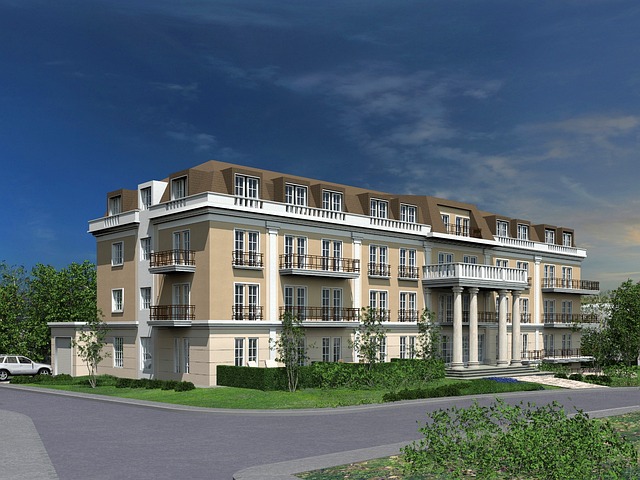
In Phoenix, guest house and casita property owners navigate complex regulations for permits ($100-$500), zoning laws, and building codes to ensure compliance and enhance property value. Key steps include understanding city guidelines, obtaining permits, adhering to construction standards, and consulting professionals for optimal design and investment returns. The process leverages local rules to integrate these additions while maintaining neighborhood character and increasing residential living options.
In today’s dynamic real estate landscape, particularly in bustling cities like Phoenix, the demand for affordable housing solutions is at an all-time high. The need to accommodate growing families, support a thriving gig economy, and cater to visitors seeking temporary stays has led to increased interest in guest house and casita properties. However, navigating the complex web of local regulations can be a formidable challenge for prospective developers and homeowners alike. This article provides a snapshot of ADU (Accessory Dwelling Unit) rules across various Phoenix-area cities, offering valuable insights and practical guidance for those looking to capitalize on this lucrative opportunity while adhering to local guidelines.
- Understanding ADU Regulations: An Overview for Phoenix
- Legal Considerations for Guest House Conversions in Arizona
- Building Codes and Permits: Phoenix's Requirements for Casita Properties
- Zoning Laws and Property Use: Navigating Phoenix's ADU Guidelines
- Maximizing Potential: Designing and Constructing Profitable Phoenix ADUs
Understanding ADU Regulations: An Overview for Phoenix

In Phoenix, the regulations surrounding guest house and casita properties are designed to balance community development with quality of life. Understanding these rules is crucial for property owners looking to add a backyard guest house or build a casita. The process involves several key steps and considerations, from obtaining necessary permits to ensuring compliance with zoning laws.
The City of Phoenix requires permits for most structural additions, including guest houses and casitas. These permits are issued by the Department of Building and Safety and cover aspects such as construction materials, electrical work, and plumbing. The cost of these permits can vary but typically ranges from $100 to $500, depending on the scope of the project. As an example, a simple backyard guest house addition may fall at the lower end of this spectrum, while more complex structures could incur higher permit fees.
Zoning regulations play a significant role in shaping Phoenix’s landscape. Certain neighborhoods have specific restrictions on residential uses, including limitations on the number and type of guest houses allowed. Property owners must confirm their zone classification and understand the local rules before proceeding with construction. The city offers online resources and maps to aid in this process. For instance, a property in a single-family residential zone might be permitted to have one secondary dwelling unit, such as a casita or guest house, while areas with higher density zoning regulations could allow for more.
Expert advice suggests engaging with a professional contractor familiar with local ADU (Accessory Dwelling Unit) rules. They can provide guidance on navigating permits, ensuring compliance, and minimizing delays. Additionally, staying updated on city code changes is essential as Phoenix continues to evolve its regulations to support growing communities while maintaining the integrity of residential neighborhoods.
Legal Considerations for Guest House Conversions in Arizona
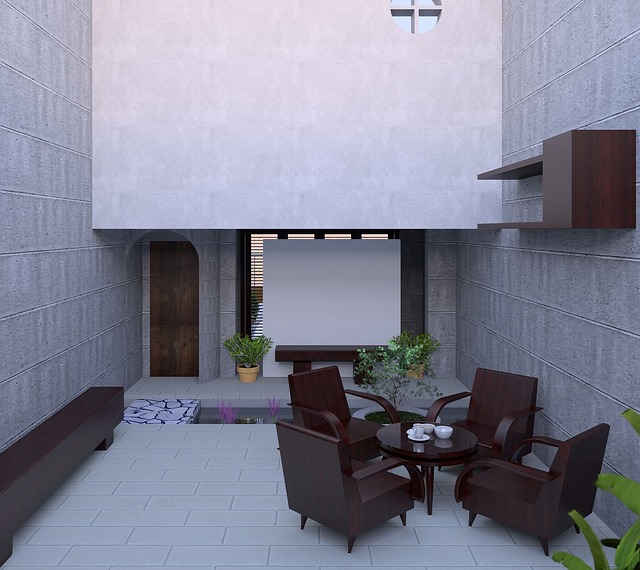
In Arizona, particularly within Phoenix’s vibrant real estate landscape, converting a guest house or building a casita (a small house) in your backyard has emerged as an attractive option for homeowners seeking additional living space. However, navigating the legal considerations surrounding these conversions requires careful attention to local regulations and permit requirements. The City of Phoenix offers a comprehensive framework for such projects, but understanding the nuances is essential for a smooth process.
One key aspect to consider is zoning laws, which dictate the permitted uses of property. In many areas within Phoenix, residential zoning allows for accessory structures like guest houses or casitas as long as they meet certain criteria. For instance, these structures must be located within the rear yard and not exceed specific size restrictions. It’s crucial to verify with the local planning department whether a permit is required for your intended conversion, as some projects may fall under self-approved guidelines, while others necessitate professional engineering or architectural plans. The Phoenix City Code provides detailed information on permitted uses, set-backs, and construction standards, ensuring these backyard additions adhere to safety and aesthetic regulations.
The permitting process involves submitting applications that detail the proposed structure’s dimensions, materials, and intended use. Costs associated with obtaining permits can vary, typically ranging from $100 to $500, depending on project complexity. For more elaborate guest house conversions in Phoenix, consulting a professional builder or architect is advisable to ensure compliance with local building codes and avoid potential penalties. Understanding these legal considerations beforehand empowers homeowners to make informed decisions, ensuring their guest house or casita projects not only meet regulatory standards but also enhance the overall value of their properties.
Building Codes and Permits: Phoenix's Requirements for Casita Properties
In Phoenix, the integration of guest house or casita properties within residential neighborhoods is regulated by stringent building codes and permit requirements aimed at ensuring safety, structural integrity, and aesthetic harmony. For property owners considering adding a backyard guest house, understanding these rules is paramount to avoid legal complications and delays. The city’s guidelines dictate that any construction project, including casita properties, must adhere to specific standards for permits, inspections, and materials used.
Obtaining the necessary permits is a crucial step in the process. Phoenix requires applicants to secure building permits from the appropriate authority before initiating construction on guest house or casita projects. The cost of these permits can vary, typically ranging from $100 to $300, depending on the scale and complexity of the work. This investment not only facilitates compliance but also enables access to city resources that support safe and efficient building practices. For instance, a permit application for a standard backyard guest house may involve structural assessments, electrical inspections, and adherence to fire safety norms.
Compliance with local building codes is essential. These codes specify minimum requirements for construction materials, ventilation, plumbing, and electrical systems in Phoenix’s guest houses or casitas. Property owners should ensure their plans meet these standards, as deviations could lead to project delays or enforcement actions. For example, the city mandates specific insulation levels in walls and ceilings of casita properties to maintain energy efficiency. Additionally, proper drainage systems and landscaping are required to prevent water damage and protect nearby structures. By adhering to these rules, property owners can create safe and comfortable living spaces while maintaining the integrity of their neighborhoods.
Zoning Laws and Property Use: Navigating Phoenix's ADU Guidelines
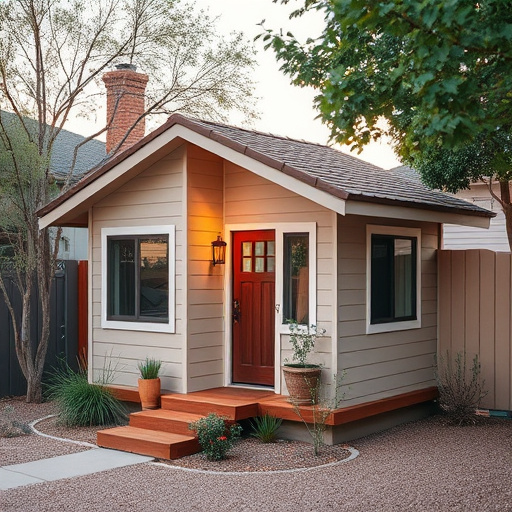
Phoenix’s zoning laws and property use regulations regarding guest house and casita properties are a crucial aspect for homeowners considering adding an ADU (Accessory Dwelling Unit). The city’s guidelines provide a framework that navigates between urban density and neighborhood character, with specific requirements for backyard guest houses. A permit is typically required for such constructions, involving a process that involves multiple steps and considerations.
The cost of obtaining a Phoenix backyard guest house permit can vary, generally ranging from $100 to $300, depending on the scope of the project. This initial investment ensures compliance with local building codes and safety standards. The city’s planning department reviews each application, assessing factors such as lot size, existing structures, and proximity to neighbors. For instance, a modest casita expansion may require less stringent guidelines compared to a standalone guest house in a residential area. Understanding these nuances is essential for a successful project.
Homeowners can expect to demonstrate that their proposed ADU complies with setbacks, zoning regulations, and parking requirements. Exceeding these limits or failing to meet safety standards may result in permit denials or additional costs. Experts suggest consulting the city’s official resources and seeking professional advice early in the process to avoid delays. By adhering to Phoenix’s ADU guidelines, property owners can enhance their living spaces while contributing to a vibrant urban environment.
Maximizing Potential: Designing and Constructing Profitable Phoenix ADUs
Maximizing Potential: Designing and Constructing Profitable Phoenix ADUs
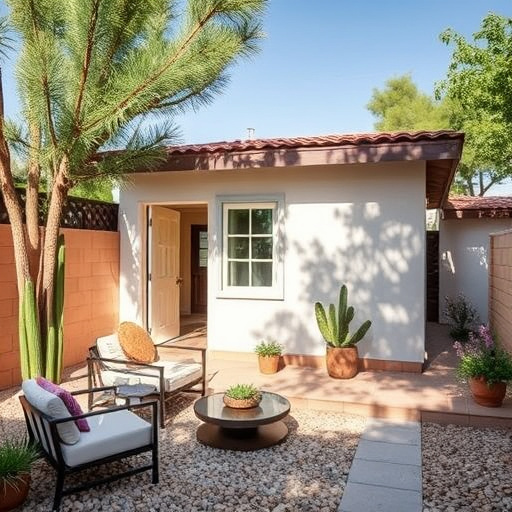
Phoenix’s landscape offers unique opportunities for maximizing property value through guest house and casita additions. With the right approach, these backyard extensions can transform residential properties into lucrative investments, catering to the growing demand for short-term rentals and providing additional living spaces. The city’s stringent but clear guidelines on Accessory Dwelling Units (ADUs) present a structured framework for developers and homeowners looking to embark on such projects. Understanding and navigating these rules is crucial for maximizing returns while adhering to legal requirements.
Designing Phoenix ADUs requires careful consideration of space, functionality, and local regulations. The city’s permit process involves detailed plans, structural calculations, and compliance with building codes. For instance, a typical backyard guest house in Phoenix may cost between $50,000 to $150,000 to build, depending on size and quality. This investment can be offset by the potential rental income—a casita property in prime areas can generate up to 3 times its annual mortgage payment in revenue. However, ensuring compliance with zoning laws and maximizing square footage within legal limits is essential for achieving optimal return on investment.
Expert insights suggest focusing on creating inviting spaces that blend seamlessly with the existing home. Incorporating modern amenities, energy-efficient features, and outdoor living areas can significantly enhance the desirability of these guest houses. Additionally, leveraging digital platforms to manage short-term rentals can attract a broader market, further maximizing profits. For homeowners considering ADU construction, staying informed about local regulations, consulting with professionals, and embracing innovative design strategies are key to transforming their properties into profitable investments in the Phoenix real estate market.