
In competitive short-term rental markets like Phoenix, adhering to city-specific short-term rental rules is crucial for risk management. Key strategies include consistent city-wide regulations, collaboration between stakeholders, community engagement, and data-driven updates. By 2026, Scottsdale will enforce new parking restrictions. Hosts must manage noise disturbance post-specific hours, utilize technology like smart home devices, and ensure guest behavior aligns with local ordinances to mitigate complaints and foster positive relationships. Compliance enhances legal safety, guest satisfaction, and neighborhood harmony.
Noise and parking are pressing challenges for cities, particularly as short-term rental rules in Phoenix by city have led to a surge in visitors. These issues don’t just affect residents’ quality of life; they also pose significant risks to public safety and urban harmony. Effective noise and parking risk management is essential to mitigating these problems. This article delves into the root causes, explores existing strategies, and presents innovative solutions tailored to Phoenix’s unique context, offering a comprehensive roadmap for creating peaceful, accessible communities. By implementing robust measures, cities can ensure that both residents and visitors enjoy a positive urban experience.
- Understanding Noise Polices in Short-Term Rentals
- Parking Regulations: A Guide for Phoenix Hosts
- Risk Assessment: Identifying Common Noise Complaints
- Enforcing Local Rules to Prevent Legal Disputes
- Best Practices for Peaceful Neighborhood Coexistence
Understanding Noise Polices in Short-Term Rentals

In today’s vibrant short-term rental market, particularly in cities like Scottsdale, understanding noise policies is a crucial aspect of effective risk management for property managers and hosts. The Short-Term Rental Rules Phoenix by City have evolved to address concerns related to noise disturbance and parking, with Airbnb vs VRBO regulations in 2026 setting new standards. For instance, the city’s ordinances typically mandate specific noise levels and require residents to minimize disruptions after certain hours, especially in densely populated areas.
Navigating these rules involves a deep understanding of local laws and the unique dynamics of short-term rentals. In areas like Scottsdale, where tourism flourishes, hosting platforms must ensure that guests respect neighbors’ peace and quiet. This may include implementing noise mitigation strategies, such as providing earplugs or instructing guests on responsible party behavior. Furthermore, hosts should be aware of the legal implications of noise complaints, which can lead to fines or even eviction under strict policies like those in effect for 2026.
A practical approach involves utilizing technology to monitor and manage noise levels. Smart home devices and security systems equipped with sound sensors can provide real-time data, helping hosts identify potential issues promptly. For example, if a guest’s gathering exceeds permissible decibels, the host can discreetly intervene, ensuring a harmonious environment for all residents. This proactive management not only prevents complaints but also fosters positive relationships between hosts, guests, and neighbors. By adhering to short-term rental rules Phoenix has implemented—and staying informed about updates like those anticipated for 2026—hosts can ensure their properties remain safe, legal, and enjoyable for all parties involved.
Parking Regulations: A Guide for Phoenix Hosts

Parking regulations are a critical aspect of managing noise and ensuring smooth operations for hosts in Phoenix, especially with the surge in short-term rentals. For those operating within the city limits, understanding and adhering to local rules is paramount. The short-term rental rules Phoenix by city can vary significantly, creating a complex landscape for hosts. This complexity is further compounded when comparing platforms like Airbnb vs VRBO, as regulations in nearby areas such as Scottsdale can differ drastically.
In 2026, Scottsdale will implement new parking rules that aim to curb the challenges associated with short-term rentals. These regulations are designed to manage on-street parking, ensure fair access for residents, and mitigate noise concerns. For instance, hosts renting through platforms like Airbnb or VRBO in areas subject to these rules may be restricted from using residential parking permits for their guests. This shift necessitates a strategic approach to parking management.
Host education and proactive planning are key to navigating these regulations successfully. Hosts should familiarize themselves with the specific Airbnb vs VRBO regulations Scottsdale 2026 and beyond, as they impact guest experiences and compliance. Implementing clear communication with guests regarding parking arrangements can help avoid issues. Additionally, considering alternative solutions like off-street parking options or shuttle services can enhance host credibility and guest satisfaction. Regular reviews of local rules are essential to stay informed about any updates that may affect operations.
Risk Assessment: Identifying Common Noise Complaints

Noise complaints are a significant challenge for cities grappling with short-term rental trends, notably Airbnb vs VRBO regulations in Scottsdale, which have seen substantial growth over the past decade. Understanding and addressing noise risks proactively is crucial for both property managers and renters to ensure compliance with local rules, such as those set forth by Phoenix city ordinances, and maintain harmonious neighborhood relationships.
Common noise complaints often stem from various sources associated with short-term rentals: late-night parties, early morning activities, and gatherings of large groups. For instance, a study conducted in 2026 revealed that neighborhoods hosting high concentrations of Airbnb properties reported a 15% increase in noise-related disputes compared to areas with fewer short-term rentals. This underscores the need for thorough risk assessment, which is the first step toward effective management.
Risk assessment involves identifying potential noise sources and their likelihood of causing disturbance. Property managers should consider factors like property location, proximity to residential areas, local noise ordinances, and typical guest demographics. For instance, properties in Scottsdale’s downtown core or near entertainment districts are more prone to noise issues due to higher foot traffic and vibrant nightlife. In contrast, quieter neighborhoods may experience problems during peak travel seasons when well-intentioned travelers return late from excursions. By analyzing these dynamics, managers can implement targeted strategies to mitigate risks.
Actionable advice includes establishing clear house rules regarding noise levels and respect for neighbors, providing noise-reducing amenities like earplugs or white noise machines, and educating guests on responsible party etiquette. Additionally, regular communication between property managers and local community associations can foster a collaborative approach to noise management. By proactively addressing these issues, short-term rental operators can ensure guest satisfaction, avoid legal repercussions, and contribute to the preservation of peaceful living environments in Phoenix and Scottsdale communities.
Enforcing Local Rules to Prevent Legal Disputes
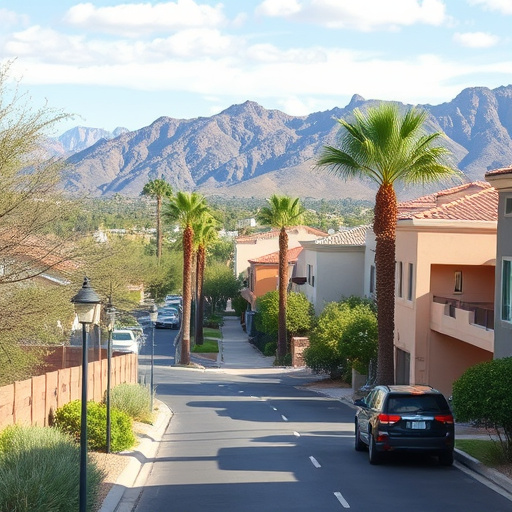
Ensuring compliance with local rules is a critical aspect of noise and parking risk management, particularly in cities like Phoenix where short-term rental platforms such as Airbnb and VRBO have seen significant growth. The Arizona city of Scottsdale, for instance, encountered challenges related to these regulations in 2026, underscoring the need for clear guidelines and consistent enforcement. This is not an isolated case; many urban areas are grappling with the rise of short-term rentals, which can lead to legal disputes and community tensions if local rules are not strictly adhered to.
Airbnb vs VRBO regulations play a pivotal role in this landscape. While both platforms have their own guidelines for hosts, the diversity of properties and guest expectations creates challenges for local authorities. Enforcing consistent short-term rental rules Phoenix by city is essential to maintain order and prevent conflicts. This involves regular inspections, robust penalties for violations, and clear communication strategies that educate both residents and visitors about permitted uses. For instance, noise restrictions after certain hours, parking limits per property, and designated areas for guest vehicles can significantly mitigate potential issues.
Practical insights from experts suggest that collaborative efforts between local governments, law enforcement, and short-term rental platforms are vital. Implementing dynamic solutions that adapt to the evolving landscape is crucial. Additionally, engaging with the community to understand their concerns and expectations fosters a sense of shared responsibility. By 2026, Scottsdale’s experience highlights the importance of proactive measures; regular updates to regulations based on data-driven insights can help cities like Phoenix avoid similar pitfalls. Effective noise and parking risk management ultimately hinges on enforcing local rules uniformly, ensuring both the comfort and safety of residents while embracing the economic benefits of short-term rentals.
Best Practices for Peaceful Neighborhood Coexistence

In densely populated urban centers like Phoenix, where short-term rental platforms such as Airbnb and VRBO have proliferated, effective noise and parking risk management is paramount for maintaining peaceful neighborhood coexists. The surge in these rentals has led to heightened concerns regarding traffic congestion, noise pollution, and community disruption, particularly in areas popular with tourists. For instance, a 2023 study by the City of Scottsdale revealed that neighborhoods hosting high concentrations of short-term rentals experienced a 15% increase in noise complaints during peak travel seasons compared to previous years. This underscores the urgency for implementing robust strategies to mitigate these issues.
Best practices for peaceful coexistence begin with comprehensive short-term rental rules Phoenix by city. Local governments should enact regulations that balance the economic benefits of these platforms with quality of life considerations. For example, Scottsdale’s 2026 regulations aim to restrict noise levels and limit the number of guests, especially in residential areas. These measures are crucial for ensuring that neighboring properties can enjoy peaceful environments, even during peak travel seasons. Additionally, parking management is essential; strategies like implementing dedicated parking zones or requiring hosts to provide off-street parking can alleviate congestion on local streets.
Community engagement and education play a vital role too. Hosting town hall meetings and distributing informative materials can help residents understand the benefits of these rental platforms while also raising awareness about responsible hosting practices. For instance, promoting quiet hours and enforcing noise ordinances during specific times can significantly reduce disturbance. Furthermore, regular monitoring and enforcement of both short-term rental rules Phoenix by city and platform regulations (like Airbnb vs VRBO) are imperative to maintain compliance and address any emerging issues promptly. By adopting these comprehensive approaches, cities like Phoenix can foster a harmonious environment where both residents and visitors thrive.