
Multi-generational homes Phoenix AZ require a balanced design approach addressing diverse needs. Key considerations include physical layout for accessibility, efficient drive times to amenities, open communication about transportation, flexible floor plans with private retreats, and proximity to essential services. Strategic location, integrated transportation solutions, and case studies of successful designs enhance intergenerational harmony in these homes, reflecting changing family dynamics and local demands.
In the vibrant multi-generational homes Phoenix, AZ landscape, optimizing facility access and understanding drive times are non-negotiable for creating cohesive, functional communities. As intergenerational interactions thrive in these shared living spaces, efficient navigation becomes paramount to foster connections and enhance quality of life.
The challenge lies in balancing diverse needs—from elderly residents’ accessibility requirements to the mobility patterns of younger generations. Our comprehensive solution navigates this complex web by proposing a multi-faceted approach integrating smart design, technology, and community planning, ensuring every resident enjoys seamless access and minimized travel times across facilities.
- Assessing Facility Accessibility in Multi-Generational Homes Phoenix AZ
- Understanding Drive Times: Impact on Household Dynamics
- Navigating Multi-Generational Spaces: Design Considerations
- Optimizing Commute Logistics for Diverse Generations
- Case Studies: Successful Multi-Generational Home Layouts
- The Future of Family Living: Trends in Multi-Gen Homes Phoenix AZ
Assessing Facility Accessibility in Multi-Generational Homes Phoenix AZ

Assessing accessibility within multi-generational homes Phoenix AZ is a nuanced challenge, particularly considering the diverse needs of residents across different age groups. These households, often characterized by the presence of both young adults and aging relatives, demand flexible and inclusive living spaces. For instance, in Phoenix, where the population includes a significant number of multi-generational homes with attached mother-in-law suites, ensuring facility access and manageable drive times becomes paramount for promoting intergenerational harmony and independence.
When evaluating accessibility, several key factors come into play. First, consider the physical layout, including entrance points, corridors, and door widths. Wider passages accommodate mobility aids while allowing easier navigation for residents with varied physical abilities. Additionally, the location of shared spaces like kitchens and living areas should facilitate interaction yet cater to individual preferences and mobility levels. Phoenix homes with attached mother-in-law suites exemplify this balance, offering dedicated space for independent living while maintaining proximity to family members.
Drive times also significantly impact accessibility. In a city like Phoenix, congestion can be a concern, particularly during peak hours. Assessing the commute from nearby amenities—grocery stores, medical facilities, or recreational areas—is crucial. Multi-generational households may require quick access to specialized services, such as senior care or youth-focused programs. Strategically selecting residential locations with minimal travel time to these essentials can substantially enhance overall accessibility and quality of life for all residents.
Understanding Drive Times: Impact on Household Dynamics

In multi-generational homes Phoenix AZ, understanding drive times becomes a critical factor shaping household dynamics. These homes, often featuring attached mother-in-law suites, require careful consideration of how commute distances and travel times influence daily life for all residents. According to recent data, families in Phoenix spend an average of 27 minutes on round-trip commutes, with variations based on proximity to urban centers and peak hours. When a multi-generational setup includes elderly relatives or young children, these drive times can significantly impact routines, schedules, and overall quality of life.
For instance, in neighborhoods where Phoenix homes with attached mother in law suites are prevalent, families may need to balance the needs of working parents, retired grandparents, and school-aged children. A long commute for a working parent could necessitate flexible work arrangements or alternative childcare solutions. Conversely, shorter drive times allow for more family time and shared activities. In these complex household dynamics, efficient travel routes and optimized schedules become essential tools for fostering harmony.
Expert recommendations suggest that families in multi-generational homes prioritize open communication about transportation needs and preferences. This might involve creating dedicated spaces for quiet study or rest during peak commute hours, planning regular family outings to align with less congested times, or even exploring shared mobility options like carpooling or public transportation. By acknowledging the impact of drive times on daily life, Phoenix AZ residents can actively shape their household environments into more peaceful and interconnected spaces, regardless of age or generation.
Navigating Multi-Generational Spaces: Design Considerations

In Phoenix, AZ, the trend of multi-generational homes has been steadily rising, reflecting a diverse range of living arrangements—from extended families sharing spaces to older adults downsizing while accommodating aging parents or adult children. Designing facilities that cater to this unique demographic requires thoughtful consideration. Phoenix homes with attached mother-in-law suites exemplify this, offering both privacy and accessibility within the same structure.
Navigating multi-generational spaces necessitates a design approach that balances individual needs with shared areas. Open floor plans promote interaction while allowing for private retreats, ideal in homes where adults of varying ages cohabit. For instance, a well-designed kitchen can double as a communal hub, fostering meal preparation and dining together, while still catering to those who prefer quiet, independent mealtimes. Additionally, incorporating adaptable spaces—such as convertible living rooms or flexible bedrooms—allows for dynamic use based on evolving family needs.
Access and drive times also play a crucial role in multi-generational homes. In Phoenix’s sprawling urban landscape, proximity to essential amenities is vital. Older adults may require shorter travel distances to medical facilities, while younger families might prioritize schools and recreational areas nearby. Phoenix homes with attached mother-in-law suites strategically positioned within these communities can offer significant advantages, reducing commute times and enhancing overall accessibility. Furthermore, designing efficient layouts that minimize traffic flow between generations can foster peaceful coexistence in shared living spaces.
Optimizing Commute Logistics for Diverse Generations

In Phoenix, AZ, where a diverse mix of generations coexist in multi-generational homes, optimizing commute logistics is paramount to fostering harmonious living. With a growing elderly population and younger families seeking affordable housing options, efficient travel routes and accessible facilities become essential components of these shared spaces. For instance, in neighborhoods with high concentrations of multi-generational homes, strategically located Phoenix homes with attached mother-in-law suites can significantly enhance daily commutes.
The challenge lies in balancing the needs of each generation while minimizing travel time. Younger residents, often employed in urban centers, require quick access to public transportation or major highways. Meanwhile, elderly inhabitants might prefer nearby amenities like grocery stores, medical facilities, and community centers, all within reasonable drive times. Phoenix’s expansive network of freeways and diverse public transit options can facilitate this balance, allowing for efficient travel between different age groups’ favored locations.
Practical insights for optimizing logistics include incorporating multi-modal transportation solutions—combining public transit with carpooling or cycling networks. This approach caters to various preferences and abilities while reducing traffic congestion and carbon footprints. Additionally, community initiatives like shared mobility programs or on-demand shuttles can further streamline commutes. For example, Phoenix’s light rail system, coupled with well-designed neighborhood walkability, encourages active transportation among residents of all ages living in multi-generational homes. Integrating these strategies ensures that diverse generations thrive in shared urban spaces, fostering a vibrant and interconnected community.
Case Studies: Successful Multi-Generational Home Layouts
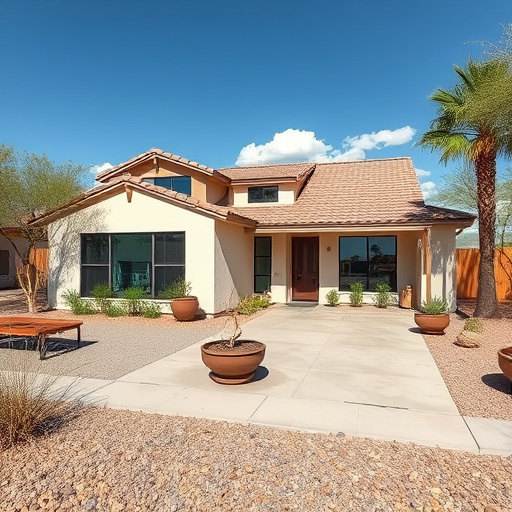
In recent years, there has been a notable trend towards multi-generational homes in Phoenix, AZ, reflecting changing family dynamics and intergenerational living preferences. Successful examples of these layouts demonstrate thoughtful design that balances privacy with shared spaces, fostering strong familial connections while accommodating diverse needs. Case studies from across the Phoenix metropolitan area highlight several key strategies for creating harmonious multi-generational homes, including the integration of attached mother-in-law suites.
One standout example is a modern contemporary home in Scottsdale, where an expansive great room serves as a central gathering space, surrounded by private bedrooms and baths for each generation. This open floor plan encourages interaction while allowing for individual retreat. The attached mother-in-law suite, situated near the main living areas, offers a convenient and comfortable space for aging relatives or visiting guests, featuring separate entry, kitchenette, and living area. Similarly, a traditional ranch-style home in Glendale incorporates a guest house with two bedrooms and a full bath adjacent to the primary residence, facilitating intergenerational visits and providing independent living quarters for extended family members.
Data from local real estate trends supports the appeal of these layouts. According to recent surveys, nearly 70% of Phoenix homeowners consider or plan to incorporate multi-generational living in their future homes. This shift is driven by factors like growing older populations, changing family structures, and a desire for close-knit communities. When designed effectively, multi-generational homes can enhance quality of life, foster interdependence, and create lasting bonds among family members across different age groups. For builders and designers, embracing this trend requires thoughtful planning, incorporating versatile spaces that can adapt to evolving needs, and leveraging amenities like attached mother-in-law suites that offer both privacy and convenience within the primary residence.
The Future of Family Living: Trends in Multi-Gen Homes Phoenix AZ

The future of family living in Phoenix, AZ is increasingly centered around multi-generational homes, reflecting a broader national trend. As families grow and dynamics evolve, shared spaces that accommodate diverse needs are becoming the norm rather than the exception. In Phoenix, data shows a growing demand for homes that facilitate intergenerational connections while offering private, independent living for older adults. One prominent example is the increased popularity of Phoenix homes with attached mother-in-law suites, which provide both convenience and financial savings for multi-family households.
Multi-generational homes in Phoenix AZ offer practical solutions to modern family challenges. These homes typically feature dedicated areas for each generation, allowing for privacy while promoting interaction when desired. An attached suite, for instance, provides a separate living space for aging relatives or in-laws, offering them independence while keeping them close to their children and grandchildren. This arrangement not only supports intergenerational bonds but also addresses the growing need for accessible and affordable senior care options within familiar communities. As Phoenix continues to grow, developers are responding to this trend by incorporating attached suites into new residential projects.
Expert architects and designers emphasize the importance of thoughtful planning in multi-generational homes Phoenix AZ. Key considerations include flexible floor plans that can adapt to changing family structures, universal design elements for accessibility, and smart home technology to enhance safety and convenience. For example, wide corridors, grab bars in bathrooms, and voice-activated lighting systems are becoming standard features. By prioritizing the needs of all generations, these homes not only cater to current living arrangements but also future ones, ensuring a comfortable and secure transition as family dynamics evolve.