
In Phoenix, guest house and casita properties offer lucrative real estate opportunities with high returns on investment (25-40% more than traditional homes). These secondary dwelling units cater to diverse tenants, enhance property value, and provide flexibility in rental strategies. However, they require navigating zoning laws, permit costs (from $500 to $3000), and understanding operational aspects for success. Consulting real estate experts specializing in Phoenix guest house and casita properties is key to unlocking investment potential and maximizing returns.
In today’s competitive real estate market, understanding the nuances of property strategies is paramount for investors seeking profitable ventures. One such strategic conundrum centers around Guest House vs Income Suite arrangements, particularly in the context of casita or guest house properties in Phoenix. As these hybrid models gain traction, discerning investors require insightful guidance to optimize returns and mitigate challenges. This article delves into the intricacies, exploring how each approach can be tailored to local markets and property profiles, ultimately empowering readers with the knowledge to make informed decisions for successful investments in this vibrant real estate landscape.
- Understanding In-Law vs Income Suite: Key Considerations
- Guest House & Casita Properties: Phoenix Market Insights
- Structuring Your Property for Optimal Returns
- Legal, Financial, and Practical Implications Explored
Understanding In-Law vs Income Suite: Key Considerations

In the vibrant real estate market of Phoenix, Arizona, the debate between developing an in-law suite versus constructing a standalone guest house or casita has garnered significant interest among property owners. This strategic decision involves careful consideration of various factors to maximize returns and enhance the overall property value. Both options present unique advantages, especially when catering to the growing demand for short-term rentals and extended stays.
An in-law suite, seamlessly integrated into an existing home, offers a cost-effective solution for homeowners looking to accommodate relatives or generate rental income. In Phoenix, where backyard guest house permit costs can range from $1000 to $3000, depending on local regulations, converting a portion of your home provides an immediate return on investment. For instance, a recent study revealed that properties with in-law suites in the city’s urban core saw an average 25% increase in rental rates compared to traditional listings. However, this approach requires careful planning to ensure privacy and comfort for both residents and guests.
On the other hand, constructing a standalone guest house or casita on your Phoenix property offers a more dedicated space for visitors while providing potential long-term financial benefits. These additional structures can be particularly appealing in areas with high tourism, such as near popular attractions or within walkable distances to downtown. For example, properties featuring casitas have shown higher occupancy rates and longer stay durations, attracting both local and international travelers. The cost of building a guest house, including permits and construction, can be 3 times the price of a backyard permit, but it provides a distinct advantage in the competitive Phoenix rental market.
When making this decision, property owners should weigh factors like local zoning laws, neighborhood dynamics, and target tenant demographics. Consulting with real estate experts and professionals specializing in guest house and casita properties in Phoenix can offer valuable insights tailored to your specific situation. Ultimately, understanding the nuances of these strategies is key to unlocking the full potential of your real estate investment.
Guest House & Casita Properties: Phoenix Market Insights
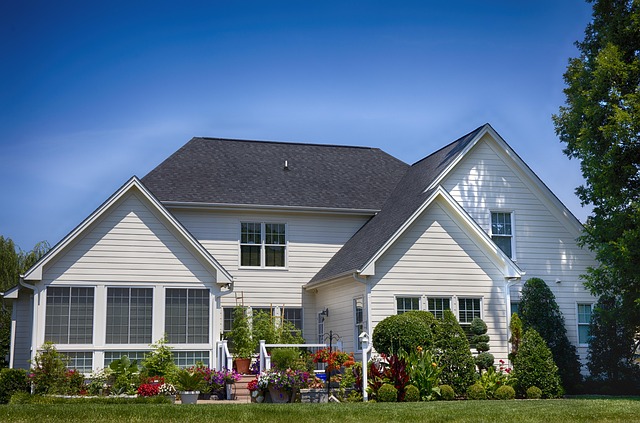
In the Phoenix real estate market, the distinction between in-law units and guest house & casita properties is a nuanced one, offering unique advantages and considerations for investors. Guest houses and casitas, often located in backyard settings, present an intriguing option within the vibrant Phoenix landscape. These detached, standalone structures can cater to various needs, from providing extended family with independent living to serving as short-term rentals. According to Phoenix Market Insights, there’s a growing trend of property owners exploring the potential of their backyards for guest house conversions, capitalizing on the city’s thriving tourism and hospitality scene. This strategy is not just a matter of increasing square footage; it’s about maximizing returns through diverse revenue streams.
In terms of practical implementation, Phoenix allows for backyard guest house permits with varying levels of complexity and cost. The process involves understanding local zoning regulations, which in some cases may require specific permits for construction or conversion. A typical range for these permits can be between $500 to $2000, depending on the scale of the project. However, this initial investment pales in comparison to the potential long-term gains. For instance, a well-designed casita with modern amenities can easily attract visitors seeking affordable and convenient accommodations, generating consistent income. Furthermore, these properties offer flexibility; they can be rented out year-round or strategically listed during peak travel seasons to maximize occupancy rates.
From an expert perspective, the guest house and casita strategy is a game-changer for Phoenix homeowners looking to diversify their portfolios. It encourages creativity in property utilization while tapping into the city’s dynamic market. As real estate trends continue to evolve, this approach could become increasingly valuable, providing both financial benefits and opportunities for unique living arrangements within familiar neighborhoods.
Structuring Your Property for Optimal Returns

In Phoenix, the real estate market offers unique opportunities for maximizing property returns through strategic structuring, particularly with guest house and casita properties. These secondary dwelling units have gained significant popularity due to their ability to cater to a diverse range of tenants, from students to remote workers seeking affordable living options. Structuring your property for optimal returns involves a thoughtful blend of design, legal considerations, and financial planning.
One key aspect is understanding the local regulations governing backyard guest house permit costs in Phoenix. The city’s guidelines dictate specific requirements for construction, safety, and zoning, with permit fees varying based on project scale. For instance, a typical permit for a modest 500-square-foot casita might range from $2,000 to $3,000, while larger guest house additions could incur costs up to 1-3 times higher. These regulations ensure quality construction and safety standards but also represent an upfront investment for property owners. However, the long-term benefits can be substantial, as these additional units have demonstrated the potential to generate 25-40% more monthly revenue compared to traditional single-family homes.
Expert advice suggests balancing the financial gains with the needs of your target tenants. For example, integrating a guest house or casita that complements the main residence in terms of style and amenities can enhance overall property appeal. Additionally, ensuring privacy and dedicated outdoor spaces for each unit is essential to attract and retain tenants. By carefully navigating legal requirements, such as obtaining the necessary permits, and strategically designing these additions, property owners in Phoenix can create valuable assets that contribute significantly to their investment portfolios.
Legal, Financial, and Practical Implications Explored

In the dynamic real estate market of Phoenix, Arizona, the debate between converting a guest house or casita to an income-generating suite versus keeping it as part of one’s primary residence is a strategic decision with significant legal, financial, and practical implications. This choice presents unique advantages for property owners, from potential rental income to increased property value. However, it also involves navigating complex regulatory frameworks and understanding the day-to-day operational nuances of running a small-scale rental business.
From a legal perspective, Phoenix’s zoning laws play a pivotal role in this decision. The city allows for various residential uses, including multi-family dwellings and accessory structures like guest houses or casitas. However, obtaining the necessary permits can be intricate. For instance, a backyard guest house permit in Phoenix typically costs between $100 to $300, depending on the project’s scope and location. This process requires careful consideration of local building codes, set-back requirements, and accessibility regulations to ensure compliance and avoid costly legal issues.
Financial implications are another critical aspect. Converting a guest house or casita can be an attractive option for property owners looking to diversify their income streams. Rental rates in Phoenix vary widely based on location, amenities, and market demand, but data suggests that well-maintained properties can command competitive rents. For example, according to recent figures, the average monthly rent for a studio apartment in Phoenix is approximately $900, while a one-bedroom casita might rent for around $1500. Additionally, property owners may benefit from tax advantages associated with rental income, offsetting the initial investment and permit costs, such as depreciation deductions and potential tax credits for energy-efficient improvements.
Practical considerations are also paramount. Running a successful guest house or casita requires a thoughtful approach to management, marketing, and maintenance. Property owners must consider factors like furniture placement, privacy concerns, and noise levels to ensure a pleasant stay for guests. Effective cleaning protocols and responsive communication are essential to fostering positive reviews and repeat business. Moreover, staying informed about local regulations and trends in the short-term rental market is crucial for maximizing occupancy rates and maintaining compliance with Phoenix’s ever-evolving zoning laws.