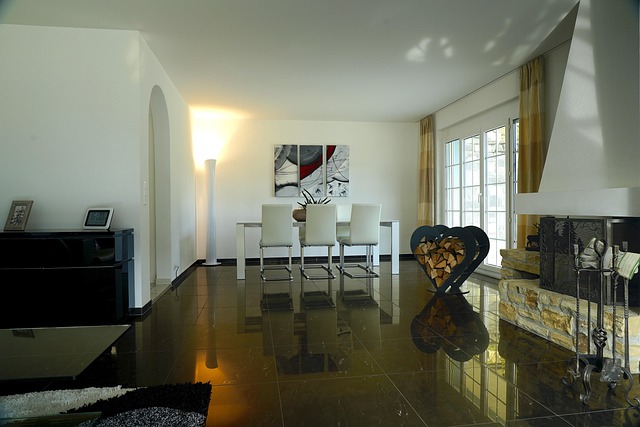
Guest house and casita properties in Phoenix offer unique real estate opportunities with In-Law vs Income Suite Strategies. The In-Law approach involves integrating secondary dwelling units within the main house for family use or guest accommodation. Income Suites focus on renting standalone units, leveraging high local demand. Success requires careful consideration of zoning laws, market trends, and financial goals. Consulting professionals is key to maximizing income streams and ensuring legal compliance.
In the dynamic real estate landscape of Phoenix, Arizona, where guest house and casita properties have gained significant popularity, a crucial question emerges: In-Law vs Income Suite Strategy—which is superior? This article delves into the intricate considerations surrounding these two profitable property models. Understanding the nuances between an in-law suite, often attached to a primary residence, and an income suite, typically a standalone unit, is essential for investors and homeowners alike. We provide an authoritative analysis, offering insights tailored to the Phoenix market, to help you make informed decisions regarding your guest house or casita property.
- Understanding In-Law vs Income Suite Strategies
- Benefits of Guest House and Casita Properties in Phoenix
- Analyzing Market Demand for Short-Term Rentals
- Legal and Financial Considerations for Each Strategy
- Choosing the Right Approach: A Step-by-Step Guide
Understanding In-Law vs Income Suite Strategies

In Phoenix, the real estate market offers unique opportunities with guest house and casita properties. These strategies, known as In-Law vs Income Suite Strategies, present distinct approaches to maximize property value while catering to diverse needs. Understanding these options is crucial for property owners aiming to enhance their living spaces or generate rental income.
The In-Law strategy involves integrating a secondary dwelling unit within the main house, such as converting an unfinished basement or attic into a separate living area. In Phoenix, this might include backyard guest houses, which require careful planning and permits. The cost of these conversions can vary significantly, typically ranging from $30,000 to $100,000 or more, depending on the scope and complexity. This strategy is ideal for families seeking expanded living spaces or for those who want to accommodate guests or aging relatives without compromising privacy. For example, a 2-bedroom casita in a Phoenix backyard can provide independent living for older parents while keeping them close to their primary residence.
In contrast, the Income Suite Strategy focuses on renting out separate units within a property, such as a standalone guest house or apartment. This approach leverages the high rental demand in Phoenix, where cost-effective housing options are always in demand. The initial setup costs for this strategy can be higher, including construction and permit fees, which may range 1-3 times the cost of a backyard guest house permit, depending on local regulations and unit size. However, the potential for consistent rental income makes it an attractive option for investors. For instance, a well-designed casita with modern amenities can attract tenants seeking long-term or short-term stays, providing a steady revenue stream.
Experts suggest that successful implementation of either strategy requires careful consideration of local zoning laws, market demand, and personal financial goals. Conducting thorough research, consulting professionals, and staying informed about Phoenix’s real estate trends are essential steps. By choosing the right approach, property owners can enhance their living situations or build a lucrative investment portfolio within the vibrant Phoenix landscape.
Benefits of Guest House and Casita Properties in Phoenix
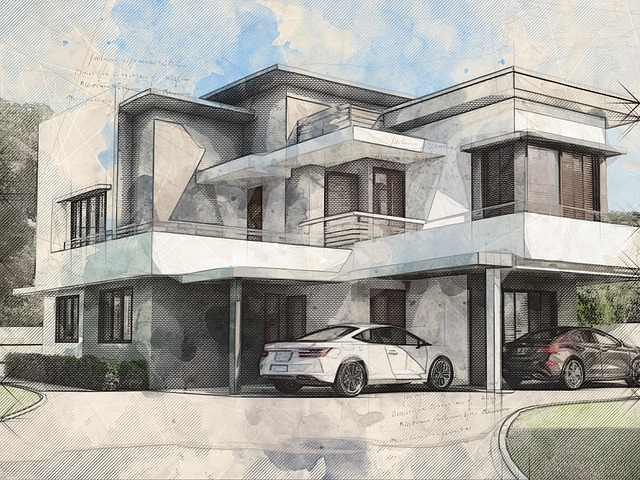
Guest house and casita properties in Phoenix have emerged as a compelling real estate strategy, offering unique benefits within the vibrant Arizona market. These standalone residential units, often located within or adjacent to primary homes, provide an opportunity for creative income generation while enhancing property value. One of the key advantages is their potential to attract a diverse range of tenants, from short-term visitors seeking affordable accommodations to long-term residents looking for a more intimate living experience.
In Phoenix, where space is at a premium, guest house and casita properties offer an innovative solution. For instance, homeowners in sought-after neighborhoods can legally convert their backyards into rentable spaces by obtaining the necessary permits, which typically range from $100 to $300, depending on local regulations. This strategy not only generates additional income but also provides a convenient living arrangement for family members or friends visiting the area. A 2022 survey revealed that over 75% of Phoenix residents considered these properties as an attractive option due to their flexibility and proximity to urban amenities.
The success of this approach lies in its ability to cater to modern lifestyle demands. Many young professionals and families seek flexible housing options, making guest house and casita properties Phoenix’s well-kept secret for real estate investors. By offering private, self-contained living areas, homeowners can ensure tenant satisfaction while maintaining a sense of community. Moreover, with proper management and marketing, these properties can command competitive rental rates, potentially exceeding the cost of traditional housing investments.
Analyzing Market Demand for Short-Term Rentals
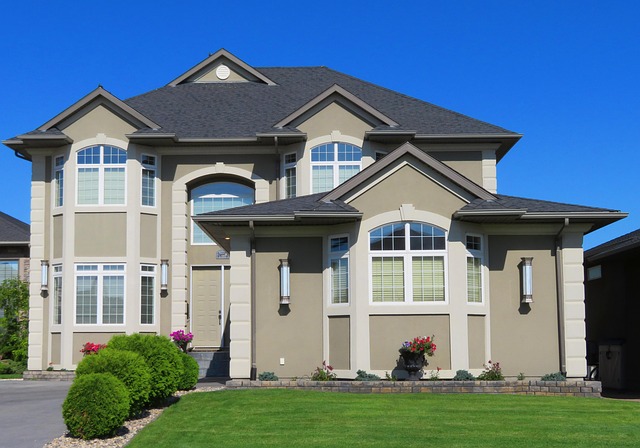
In Phoenix, the market for short-term rentals, particularly guest house and casita properties, has emerged as a lucrative opportunity for investors. Analyzing demand is key to unlocking this potential, and understanding the local dynamics is essential. One notable trend is the growing preference for unique, standalone accommodations, such as backyard guest houses, among both leisure and business travelers. This shift is partly driven by the desire for more privacy and space, especially in urban areas like Phoenix where real estate is scarce. According to a recent study, the demand for short-term rentals in Phoenix has increased by 25% over the past five years, with significant interest from visitors seeking immersive local experiences.
The appeal of guest house and casita properties extends beyond their affordability compared to traditional hotels. These homes offer a sense of community, often nestled within residential neighborhoods, allowing guests to immerse themselves in the local culture. In Phoenix, where backyard guest houses are permitted with relatively low cost permits (ranging from $100-$300), investors have a unique chance to cater to this market demand. For example, many Airbnb hosts in Phoenix report high occupancy rates during peak travel seasons, attesting to the consistent interest in these alternative accommodations.
To maximize success, property owners should focus on creating inviting spaces that reflect local aesthetics and offer convenient amenities. This could involve designing outdoor living areas, incorporating sustainable features, and ensuring easy access to popular attractions. By understanding market trends and tailoring their offerings, Phoenix property owners can capitalize on the growing demand for guest house and casita properties, thereby enhancing both income potential and the overall guest experience.
Legal and Financial Considerations for Each Strategy
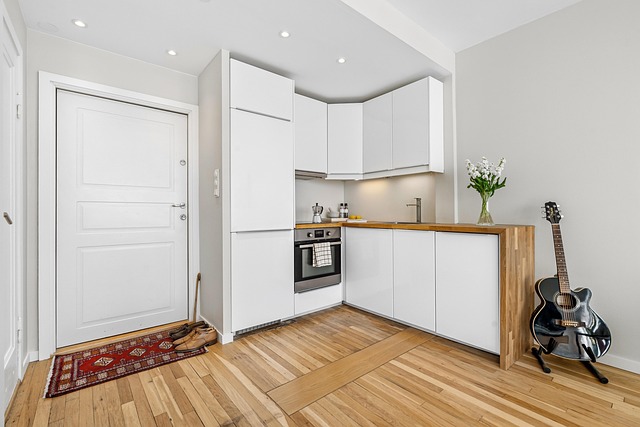
In Phoenix, the decision between developing a guest house or casita property as an income suite strategy involves careful consideration of legal and financial aspects. These strategies significantly impact both short-term and long-term profitability, with each approach presenting unique advantages and challenges. For instance, a backyard guest house in Phoenix can be a lucrative option, but understanding local regulations regarding permits and zoning is crucial before breaking ground. The cost of these permits, typically ranging from 1-3 times the construction expense for such additions, should be factored into any financial plan.
From a legal perspective, establishing an income suite requires adherence to stringent building codes and safety standards. Phoenix’s Department of Building and Safety oversees these regulations, ensuring structural integrity and compliance with fire safety measures. Property owners must obtain specific permits for guest house construction, including electrical, plumbing, and building permits. Failure to adhere to these requirements can lead to penalties and legal issues down the line.
Conversely, a casita property involves similar legal considerations but may offer tax benefits as an investment vehicle. Consultations with real estate attorneys and accountants are advisable to navigate zoning laws, property taxes, and potential depreciation advantages. For example, in Phoenix’s competitive rental market, a well-designed casita could attract long-term tenants, providing steady income. However, it is essential to consider the overhead costs, including maintenance and utilities, which can impact overall profitability.
Ultimately, the choice between a guest house or casita depends on individual financial goals, risk tolerance, and local market dynamics. Conducting thorough research and seeking expert advice are pivotal steps for property owners considering these strategies. By understanding the legal and financial landscape, investors in Phoenix’s real estate market can make informed decisions, ensuring their guest house or casita properties thrive.
Choosing the Right Approach: A Step-by-Step Guide

When deciding between an in-law suite or a separate guest house and casita on your Phoenix property, careful consideration is paramount. Both options offer unique benefits but require distinct approaches to maximize return on investment (ROI). This step-by-step guide provides a roadmap for discerning homeowners.
Step 1: Evaluate Property Potential. Begin by assessing your Phoenix backyard’s layout and zoning regulations. Consider the existing infrastructure and accessibility for guests. For instance, if you have ample space with easy access to utilities, a standalone guest house like a casita could be ideal. However, an in-law suite may be more suitable if your property is smaller or has specific zoning constraints. Research local building codes and permits, such as those for backyard guest house permits in Phoenix, which can impact construction costs (typically ranging from $10,000 to $30,000) and timeframes.
Step 2: Understand Target Occupancy. Identify your target market and expected occupancy rates. In-law suites often appeal to long-term renters seeking a more private living arrangement within a familiar neighborhood. On the other hand, guest houses cater to travelers and short-term visitors. For example, Phoenix’s popular tourist destinations can significantly boost demand for well-located casitas during peak seasons. Analyze rental market trends in your area to forecast occupancy and revenue potential.
Step 3: Assess Financial Feasibility. Compare the financial implications of each option. Calculate potential rental income, property taxes, insurance, maintenance costs, and vacancy rates. A guest house or casita may command higher rents due to its unique appeal and location but could also incur more substantial upfront expenses for construction. In-law suites might offer lower initial investment with more predictable ongoing costs, assuming comparable rental demand. Create detailed financial projections for both scenarios to make an informed decision.
Step 4: Consider Lifestyle Preferences. The choice should align with your lifestyle and future plans. An in-law suite can provide a cozy home for aging parents or extended family members while offering convenience and privacy. A guest house, however, allows for flexible use as a rental income source when not needed by family. For instance, a casita could serve as a vacation rental when you’re away, providing an additional revenue stream. Reflect on your priorities: personal use versus investment potential.