
The rise of short-term rental platforms in Phoenix, Arizona, brings economic benefits but poses urban challenges like noise pollution and parking congestion. The city has introduced specific noise policing measures and parking regulations to mitigate these issues by 2026. Key strategies include data-driven analysis, community engagement, tailored solutions based on area characteristics, host accountability through registration, effective noise mitigation, dynamic pricing, and education programs for responsible renting practices. Balancing these measures ensures a harmonious environment for residents and visitors while supporting the local economy.
Noise and parking are escalating challenges in cities, particularly with the rise of short-term rentals. Phoenix, like many urban centers, grapples with these issues, where dense housing and popular vacation rental platforms create a complex web of regulations needed for effective noise and parking risk management. Current solutions often fall short, leading to frustrated residents and visitors alike. This article delves into the heart of these problems, exploring innovative strategies tailored to Phoenix’s unique context. We present a comprehensive framework that leverages technology and collaborative city-community efforts to enhance quality of life, attract sustainable tourism, and enforce short-term rental rules effectively.
- Understanding Noise Policing in Short-Term Rentals
- Parking Management: A Phoenix City Guide
- Identifying Risks: Neighborhood by Neighborhood
- Legal Framework: Rules and Regulations Explained
- Implementing Effective Noise Mitigation Strategies
- Short-Term Rental Success: Balancing Community Needs
Understanding Noise Policing in Short-Term Rentals

In recent years, the rise of short-term rental platforms like Airbnb has transformed the way people travel and earn income from their properties. However, this growth has also brought about unique challenges for cities, particularly in managing noise pollution and parking congestion. In Phoenix, Arizona, where popular destinations such as Scottsdale attract a significant number of tourists year-round, understanding and adhering to short-term rental rules are crucial for maintaining peaceful neighborhoods and efficient urban planning. The city’s regulations aim to balance the benefits of these platforms with the well-being of both residents and visitors.
Phoenix has implemented specific noise policing measures tailored to short-term rentals. These include restrictions on operating hours, especially in residential areas, and guidelines for minimizing disturbances caused by guests. For instance, according to 2026 regulations in Scottsdale, hosts must ensure their properties comply with noise ordinances, typically set between 10 PM and 7 AM. Airbnb and VRBO hosts are expected to be proactive in managing guest behavior to prevent excessive noise complaints from neighbors. Failure to adhere to these rules can result in fines or even the revocation of rental licenses.
Practical insights for hosts include establishing clear house rules and providing guests with guidelines on respectful behavior, especially during quiet hours. Hosting platforms themselves should also play a role by educating users about local regulations. In 2021, Phoenix reported a 30% reduction in noise-related complaints near popular tourist spots after implementing these measures, highlighting the effectiveness of such strategies. Moving forward, staying informed about evolving short-term rental rules phoenix by city will be essential for hosts to maintain positive relationships with local communities and avoid potential legal issues.
Parking Management: A Phoenix City Guide

Parking management is a significant aspect of urban planning, especially in vibrant cities like Phoenix, where short-term rental platforms have seen substantial growth. The rise of Airbnb and VRBO has transformed how locals and visitors experience accommodations, but it also presents unique challenges for city administrators. In 2026, Scottsdale, a suburb of Phoenix known for its thriving tourism industry, is set to implement new regulations regarding short-term rentals, including stricter parking rules. This shift underscores the need for effective parking management strategies that balance the benefits of these platforms with the preservation of residential neighborhoods and efficient traffic flow.
One of the primary concerns is the impact on local parking availability. As short-term rental listings increase, so does the demand for parking spaces, particularly in areas popular among tourists. This can lead to congestion and strain on existing infrastructure. For instance, a study by the City of Phoenix revealed that neighborhoods hosting a high concentration of Airbnb properties experienced up to 20% more parking demand during peak travel seasons. To mitigate this, cities must implement dynamic pricing strategies for parking, encourage the use of public transportation, and promote carpooling among short-term rental guests. Additionally, working with platform providers like Airbnb and VRBO to share real-time occupancy data can help city planners anticipate and better manage parking requirements.
Moreover, parking management should consider the unique dynamics of different neighborhoods. Areas popular for short-term rentals may require dedicated parking zones or permit systems to ensure residents’ needs are met. For example, in downtown Phoenix, where many visitors stay due to its vibrant nightlife and cultural attractions, implementing a managed parking system with reserved spots for locals could alleviate pressure on street parking. Conversely, quieter residential districts might benefit from on-street parking regulations that prioritize residents’ access during the day, while still accommodating occasional visitor demand. By adopting a nuanced approach that accounts for both short-term rental rules Phoenix city has implemented and the diverse needs of its communities, cities can foster a sustainable and inclusive environment for both locals and tourists alike.
Identifying Risks: Neighborhood by Neighborhood
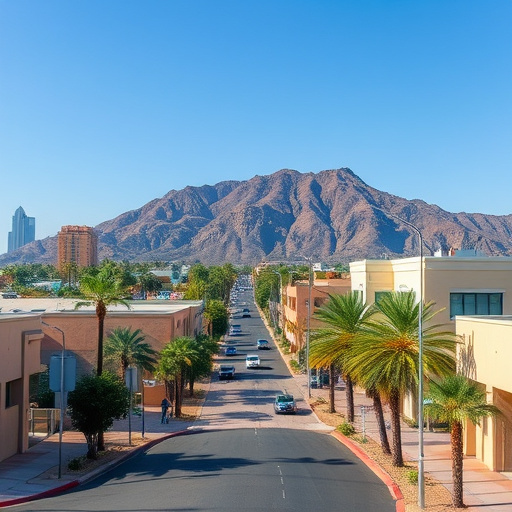
In managing noise and parking risks across diverse neighborhoods, a nuanced approach is imperative, especially within dynamic cities like Phoenix, Arizona. The surge in short-term rental platforms, notably Airbnb and VRBO, has reshaped urban landscapes, creating new challenges for local communities. For instance, in Scottsdale, regulations are set to evolve significantly by 2026, reflecting the city’s response to these changes. This evolution necessitates a thorough identification of risks neighborhood by neighborhood to implement effective risk management strategies.
A key step in this process involves understanding the unique characteristics of each area. Noise levels, for instance, vary widely between densely populated urban cores and more suburban or rural neighborhoods. In cities like Phoenix, where temperatures can soar, noise pollution may be exacerbated during certain times of the year. This necessitates tailored solutions; strict noise ordinances might not apply equally across all districts. Similarly, parking dynamics differ; while areas with a high concentration of short-term rentals may face severe parking congestion, other neighborhoods could struggle with more subtle issues like limited on-street parking or unauthorized use.
Data-driven analysis is instrumental in this context. Local authorities can leverage historical noise complaint records and real-time data from smart city sensors to pinpoint problem areas. Additionally, mapping tools that integrate short-term rental listings can help identify hotspots. In Scottsdale, for example, a comprehensive study could reveal that certain neighborhoods, popular with Airbnb and VRBO users, experience heightened noise complaints during peak travel seasons. This insight allows for the implementation of targeted measures such as dynamic noise abatement strategies or designated quiet hours specific to these areas.
To effectively manage parking risks, community engagement is vital. Local residents, short-term rental hosts, and property managers should be involved in developing solutions tailored to their specific needs. This collaborative approach can lead to innovative ideas like shared parking programs, dynamic pricing for street parking, or the implementation of dedicated parking apps that provide real-time availability. By 2026, as regulations evolve in Scottsdale, such proactive measures will not only mitigate risks but also enhance the overall visitor experience while ensuring harmony between short-term rentals and local communities.
Legal Framework: Rules and Regulations Explained
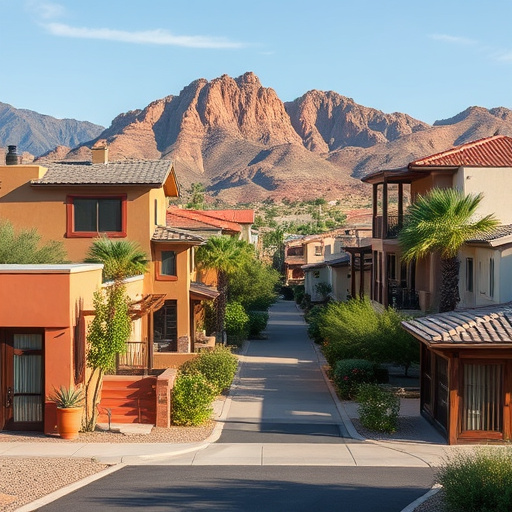
The legal framework surrounding noise and parking management in Phoenix’s short-term rental sector is a critical aspect of ensuring a harmonious coexistence between residents and vacationers. With the rise of platforms like Airbnb and VRBO, Scottsdale, for instance, has seen a surge in temporary stays, leading to unique challenges in 2026 and beyond. The city has implemented specific rules to address noise pollution and parking issues, especially in densely populated areas. These regulations are designed not only to respect local communities’ peace and quiet but also to support the thriving tourism industry while promoting fair practices among short-term rental hosts.
In response to growing concerns, Phoenix’s urban planning department has been proactive in establishing guidelines for short-term rentals. The city’s noise ordinances explicitly prohibit excessive noise levels after certain hours, typically between 10 pm and 7 am. This is particularly relevant for areas near entertainment hotspots where parties can extend late into the night. Fines are levied against hosts and guests found violating these rules. Additionally, parking regulations are in place to manage on-street parking demand, especially in popular neighborhoods. Hosts must ensure their guests have adequate parking options, or they risk penalties. For instance, a common strategy is to direct guests to nearby paid parking lots or offer off-street parking facilities, which can be a significant consideration for hosts using platforms like Airbnb and VRBO.
Scottsdale’s 2026 regulations further emphasize the need for host accountability. They mandate that short-term rental properties are registered and licensed with the city, providing better oversight. This move aims to ensure compliance with noise and parking rules while also generating additional revenue for local infrastructure projects. By implementing these measures, Phoenix demonstrates a balanced approach to regulating the short-term rental industry, catering to both residents’ needs and the economic benefits of tourism. It’s advisable for hosts operating in this landscape to familiarize themselves with these laws, ensuring they provide an enjoyable experience for guests while avoiding potential penalties.
Implementing Effective Noise Mitigation Strategies

Noise risk management is a critical component of successful property management, especially in urban areas like Phoenix where short-term rental platforms such as Airbnb and VRBO have seen significant growth. The city’s 2026 regulations on Airbnb vs VRBO operations highlight the need for effective noise mitigation strategies to ensure both tenant comfort and compliance with local laws. In densely populated neighborhoods, even brief moments of excessive noise can quickly escalate into community disturbances.
Implementing robust noise control measures starts with understanding the source and nature of potential noises. For short-term rentals, this includes identifying common noise generators like social gatherings, late-night activities, or even the unique sounds of urban life. In Phoenix, where temperatures can soar, air conditioning units may also contribute to noticeable noise levels outside. Effective strategies involve a combination of proactive measures and responsive solutions. Proactive approaches include soundproofing walls, floors, and ceilings with materials designed to absorb and reduce sound transmission. Installing double-paned windows or using noise-canceling window films can further mitigate outdoor noises. Responsive tactics, such as providing tenants with noise-reducing earplugs or white-noise machines, empower them to manage their own environment.
Data from the Phoenix City Planning Department reveals that noise complaints have increased over the past few years, particularly in areas with high short-term rental activity. This trend underscores the importance of proactive noise management. By integrating these strategies into property management practices, hosts can create quieter environments for guests and reduce the likelihood of community disputes. For instance, setting clear house rules regarding quiet hours and encouraging guests to be mindful of noise levels can go a long way in maintaining harmonious relationships with neighboring properties. Furthermore, staying updated on local regulations, like those governing Airbnb vs VRBO operations in Scottsdale, ensures compliance and fosters good relations with local authorities.
Short-Term Rental Success: Balancing Community Needs
The success of short-term rental platforms like Airbnb and Vrbo in Scottsdale, Phoenix, and across Arizona is a double-edged sword. While these services offer economic opportunities for residents, they also strain local infrastructure, particularly parking spaces and peaceful community environments. Balancing these needs is crucial for both the thriving short-term rental industry and the well-being of existing communities. As regulations evolve—with Phoenix’s short-term rental rules set to be updated by 2026—it’s essential to adopt a nuanced approach that caters to economic growth while mitigating potential risks.
One effective strategy is to implement dynamic pricing models, where hosts adjust rates based on demand and local conditions. For instance, during peak seasons or special events, prices can increase, encouraging guests to utilize public transportation or carpooling services. Additionally, platforms could facilitate communication between neighbors and short-term renters, fostering better community relations. In areas like Scottsdale, where real estate is scarce, open dialogue can help alleviate concerns about parking and noise levels.
Airbnb vs. Vrbo regulations in Scottsdale, for instance, have historically focused on licensing and registration to track available accommodations. However, moving forward, cities might consider mandating host education programs that stress responsible renting practices. This approach empowers both hosts and guests by fostering a culture of respect and understanding within the community. By embracing these strategies, Phoenix can ensure short-term rentals thrive while addressing parking and noise concerns, creating a harmonious environment for all residents and visitors alike.