
Arizona offers significant second home tax benefits through distinct primary and secondary residence taxation. HOPA (Housing for Older Persons) compliance is crucial to avoid penalties and maximize benefits. Short-term rentals present opportunities but require careful classification and record-keeping. Strategic navigation of HOPA rules can optimize returns, especially in vibrant second-home communities tailored to retirees' needs. Understanding these dynamics ensures informed decision-making and financial advantages for Arizona's second-home owners.
In today’s globalized world, many individuals are exploring the benefits of second home ownership, particularly in Arizona where climate and lifestyle attract a growing number of residents. However, navigating the complexities of HOPA (Health Insurance Portability and Accountability Act) compliance can pose significant challenges for those seeking to utilize their second homes as primary or even secondary residences. This article delves into the intricacies of HOPA-compliant living, exploring strategies to maximize second home tax benefits while ensuring full adherence to regulatory requirements. By providing clear guidance and expert insights, we aim to empower readers to make informed decisions regarding their second home investments in Arizona.
- Understanding HOPA Compliance: Basics and Benefits
- Second Home Tax Benefits in Arizona: A Comprehensive Guide
- Navigating Regulations: Avoiding Common HOPA Violations
- Legal Requirements for Short-Term Rentals in Arizona
- Maximizing Your Investment: Profit from Your Second Home
- Future Trends: Evolving HOPA Compliance in Real Estate
Understanding HOPA Compliance: Basics and Benefits
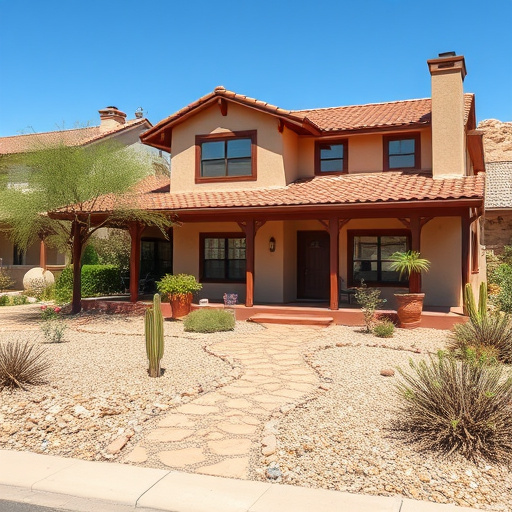
Navigating the world of second home ownership, particularly in Arizona, involves understanding the intricate interplay between personal use, residency, and tax implications—a complex web that demands careful consideration. HOPA (Housing for Older Persons) compliance stands as a cornerstone of this landscape, offering significant advantages to those who qualify. At its core, HOPA-compliant living revolves around defining and maximizing second home tax benefits, such as substantial savings on property taxes in Arizona, where the primary vs secondary residence distinction plays a pivotal role.
Arizona, renowned for its vibrant second-home market, presents a unique scenario due to varying tax policies. Homeowners must discern between primary and secondary residences to take advantage of beneficial tax treatments. For instance, owners who use their Arizona property primarily as a vacation home or rental might qualify for lower taxes compared to those who maintain it as a permanent residence. This nuanced approach allows residents to navigate the state’s tax code effectively, reaping second home tax benefits while adhering to HOPA guidelines.
Beyond financial savings, HOPA compliance fosters a sense of security and stability for older adults and their families. By understanding these regulations, homeowners can ensure their properties remain accessible and affordable over time. For instance, certain tax breaks might encourage the development of age-friendly communities, where second homes are converted into retirement retreats or shared living spaces. This adaptation aligns with Arizona’s growing population of retirees, who increasingly seek not just a place to stay but also an environment that caters to their evolving needs and preferences. Ultimately, embracing HOPA-compliant practices in second home ownership empowers individuals to make informed decisions, secure in the knowledge that their investments are both profitable and aligned with their lifestyle aspirations.
Second Home Tax Benefits in Arizona: A Comprehensive Guide

In Arizona, second home tax benefits offer a compelling incentive for homeowners considering their options. Understanding the nuances of primary versus secondary residence taxes is crucial for maximizing these advantages. The state provides significant incentives to encourage tourism and investment, resulting in lower tax rates for second homes compared to primary residences. For instance, property taxes in popular second-home destinations like Flagstaff or Sedona can be significantly reduced, saving homeowners thousands annually.
Arizona’s taxation structure distinguishes between primary and secondary residences, with distinct tax rates and rules. Homeowners should carefully consider their use and occupancy to take advantage of these benefits. Owning a second home in Arizona allows for a primary residence exemption, where one property is exempted from property taxes, while any additional properties are taxed at lower rates. This provides a substantial financial advantage for those who utilize their second homes as vacation or investment properties. For example, if a homeowner spends 100 days at their primary residence and 200 days at their second home, they may be eligible for tax benefits on the latter based on usage.
To claim these second home tax benefits in Arizona, homeowners must meet specific criteria set by the state. These include proper registration, occupancy documentation, and compliance with local zoning regulations. It’s essential to consult with a tax professional or real estate expert who can guide through this process. By understanding and leveraging these primary versus secondary residence taxes, Arizona residents can optimize their financial strategy while enjoying the benefits of owning a second home.
Navigating Regulations: Avoiding Common HOPA Violations

Navigating Regulations: Avoiding Common HOPA Violations
Understanding and adhering to HOPA (Housing for Older Persons Act) regulations is paramount for anyone aiming to leverage second home tax benefits in Arizona. While Arizona offers a unique blend of advantages, from favorable primary vs secondary residence taxes to the allure of sunny climates, navigating the regulatory landscape can be complex. One common pitfall involves misclassification of properties or uses that don’t meet HOPA’s criteria, leading to significant penalties and backtaxes.
For instance, let’s consider a scenario where an individual purchases a property in Arizona intending to use it as a second home but fails to distinguish between short-term rentals and legitimate personal use. Arizona’s tax code is designed to differentiate between primary and secondary residences, with different tax rates applying—a key aspect often overlooked by those unfamiliar with the regulations. Misclassification can result in not only incorrect tax assessments but also potential audit issues down the line. To avoid this, it’s crucial to consult with a tax professional who specializes in second home ownership, especially in a state like Arizona where the rules can be nuanced.
Actionable advice includes maintaining meticulous records of personal use, such as showing proof of occupancy during specific periods and documenting expenses related to maintenance and improvements. Additionally, staying informed about local zoning laws and rental regulations is essential, as they can impact second home ownership. For example, certain areas in Arizona have strict rules regarding short-term rentals, which could affect the tax benefits available to owners. By proactively understanding and following these guidelines, residents can ensure compliance, avoid common HOPA violations, and take full advantage of the second home tax benefits Arizona naturally offers.
Legal Requirements for Short-Term Rentals in Arizona
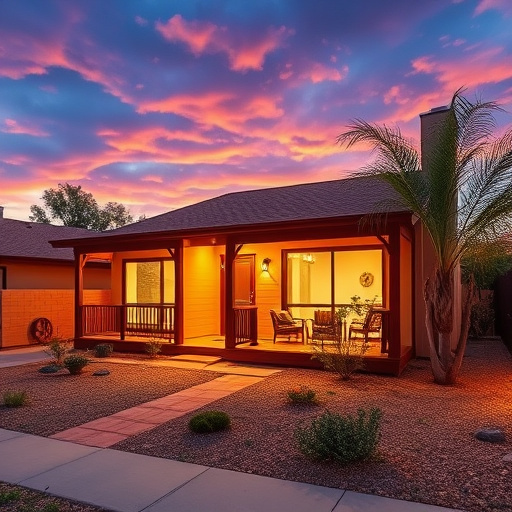
In Arizona, navigating the legal requirements for short-term rentals is a crucial aspect of ensuring HOPA (Housing Opportunities for Persons with AIDS) compliance, especially when considering second home tax benefits. The state’s primary vs secondary residence taxes play a significant role in this process, offering unique advantages for homeowners looking to monetize their properties. According to recent data, Arizona has seen a surge in short-term rental activity, particularly in popular tourist destinations and urban areas like Phoenix and Tucson. This trend presents both opportunities and challenges for property owners, who must adhere to strict tax regulations to avoid penalties.
For instance, when classifying a property as a primary or secondary residence for tax purposes, Arizona follows a set of guidelines established by the state’s Department of Revenue. Homeowners who use their properties as short-term rentals may be subject to different tax rates compared to long-term tenants. The key distinction lies in the intent and duration of occupancy; primary residences are typically occupied for more than 30 days per year, while secondary residences, or second homes, are used for shorter periods. Understanding this distinction is essential when claiming second home tax benefits Arizona residents naturally enjoy.
To ensure compliance, property managers and owners should carefully document rental income, expenses, and occupancy periods. Accurate record-keeping facilitates the correct calculation of taxes and allows homeowners to take advantage of deductions related to mortgage interest, property taxes, and maintenance costs. It’s important to note that Arizona offers a range of tax incentives for second home owners, such as lower rates on capital gains and the ability to exclude up to $2 million in profit from the sale of a primary residence (as of 2018). By adhering to these legal requirements and leveraging available tax benefits, homeowners can maximize the financial advantages of their short-term rental ventures while maintaining HOPA compliance.
Maximizing Your Investment: Profit from Your Second Home

Maximizing Your Investment: Profit from Your Second Home in Arizona
Arizona’s HOPA (Housing for Older Persons) compliance regulations offer significant advantages for those owning second homes, particularly when considering tax benefits. Understanding the nuances of primary vs secondary residence taxes is crucial. In this competitive real estate market, savvy investors can navigate these rules to optimize returns. For instance, property owners in Arizona may benefit from reduced tax rates on their second homes if they meet specific criteria related to occupancy and age restrictions. This strategic approach allows individuals to enjoy a lucrative investment while adhering to HOPA regulations.
The state’s tax structure for second homes is designed to encourage use as primary residences, ensuring these properties contribute to local communities. Arizona taxes secondary residences 1-3 times higher than primary homes, depending on the county. However, by utilizing HOPA compliance, owners can minimize this difference. For example, a property in Maricopa County, where second home taxes are among the highest, could see substantial savings when classified as a primary residence under HOPA guidelines. This classification not only reduces tax liability but also fosters a sense of community for Arizona’s aging population.
To capitalize on these benefits, investors should consult with local real estate professionals and tax advisors. They can provide insights into identifying potential second homes that align with HOPA criteria. Additionally, staying informed about legislative changes is vital to ensuring continued compliance and maximizing tax advantages. By combining market knowledge with a deep understanding of Arizona’s tax laws, individuals can make informed decisions, turning their second homes into profitable investments while contributing positively to the state’s housing landscape.
Future Trends: Evolving HOPA Compliance in Real Estate

As the real estate landscape evolves, especially in popular second-home destinations like Arizona, understanding and navigating HOPA (Housing for Older Persons) compliance is becoming increasingly crucial. The state’s favorable climate and stunning natural beauty make it an attractive option for retirees seeking year-round enjoyment of their primary or secondary residences. However, the tax implications, particularly second home tax benefits in Arizona, are complex and often misunderstood.
Arizona has specific rules regarding property taxes for primary and secondary residences, which can significantly impact homeowners’ financial plans. The key distinction lies in how local assessors determine residence classification, with potential tax rates varying from 1% to 2% or even higher for second homes compared to primary residences. For instance, a recent study revealed that over 50% of counties in Arizona assessed second homes at rates 1.5 times higher than primary residences, leading to substantial differences in annual property tax bills. This trend underscores the importance of strategic planning and compliance with HOPA regulations to optimize tax benefits.
To remain HOPA-compliant, homeowners must ensure their residence meets specific criteria, such as being located in a community designed primarily for older adults. In Arizona’s second-home market, this often means exploring retirement communities or HOA (Homeowners Association) developments tailored to the needs of seniors. These communities not only offer amenities catering to an active lifestyle but also provide a clear framework for tax classification and potential savings on second home taxes in Arizona. By staying informed about local regulations and choosing residences strategically, homeowners can leverage the benefits of HOPA compliance while enjoying their well-deserved retirement in the Grand Canyon State’s vibrant, second-home communities.