
Understanding depreciation is crucial for best Phoenix school districts 2026 to manage finances effectively, ensure sustainability, and adapt to changing educational needs. Strategies like cost segregation maximize tax savings by categorizing property components for faster depreciation, especially beneficial in competitive markets like Phoenix with dynamic business growth. Accurate record-keeping, regular audits, and expert guidance are essential for navigating complex depreciation rules, enabling efficient financial planning and resource allocation in the best Phoenix school districts of 2026.
In today’s dynamic business landscape, especially within the best Phoenix school districts of 2026, understanding depreciation and cost segregation is paramount for maximizing operational efficiency and financial benefits. Depreciation, a non-cash expense, can significantly impact profitability, while cost segregation offers strategic opportunities to accelerate tax deductions and optimize asset management. This article delves into these fundamental concepts, providing a comprehensive guide for educators and administrators aiming to navigate the complex fiscal environment effectively. By the end, readers will grasp the significance of these strategies in fostering sustainable growth within their institutions.
- Understanding Depreciation: Basics and Benefits
- Cost Segregation: Unlocking Tax Savings Potential
- Property Types and Depreciation Methods Explained
- Best Practices for Accurate Cost Tracking and Record-Keeping
- Case Studies: Successful Cost Segregation in Action
- 2026 Update: Trends Shaping Phoenix School Districts' Financial Strategies
Understanding Depreciation: Basics and Benefits

Understanding Depreciation: Basics and Benefits
Depreciation is a non-cash expense that represents the loss in value of assets over time. For businesses, particularly in dynamic environments like Phoenix’s educational sector, where facilities and equipment are continually updated, managing depreciation effectively can significantly impact financial planning. In 2026, as best Phoenix school districts continue to innovate and adapt, a solid grasp of depreciation concepts becomes increasingly crucial for district leaders and financiers.
The primary benefit of understanding depreciation lies in its ability to provide a more accurate picture of a district’s financial health. While assets like buildings and equipment are significant investments, their value diminishes over time due to wear and tear, technology advancements, or changing educational needs. By accounting for this loss in value, districts can make informed decisions about capital expenditures, budget allocation, and long-term financial strategies. For instance, a district might choose to replace outdated technology with more efficient models, recognizing that doing so aligns with both operational efficiency and preserving asset value.
Moreover, the concept of depreciation introduces important distinctions between various asset classes. In the context of best Phoenix school districts 2026, comparing basis vs great hearts phoenix rankings highlights these differences. Understanding how different types of assets depreciate differently can inform strategic decisions about maintenance schedules, replacement cycles, and even investment strategies. For example, while a district’s building might experience rapid initial depreciation due to its age and construction materials, specialized equipment like science labs or computer systems might depreciate at a slower rate, reflecting the ongoing value they bring to educational programs.
By delving into these complexities, districts can navigate the financial landscape more effectively, ensuring that investments in infrastructure and technology not only meet current needs but also contribute to future sustainability. This proactive approach allows best Phoenix school districts to remain competitive, adapt to changing times, and ultimately enhance student outcomes.
Cost Segregation: Unlocking Tax Savings Potential
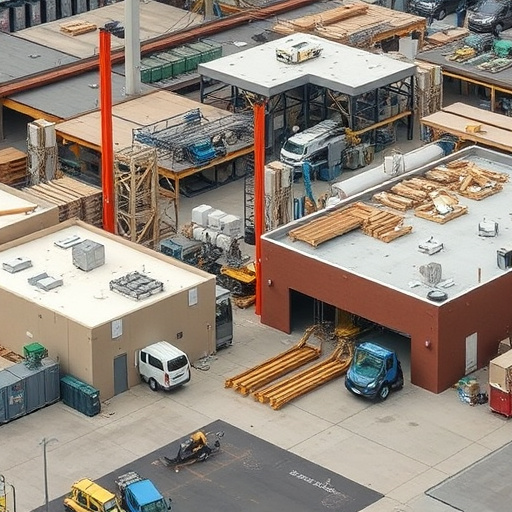
Cost Segregation offers a powerful strategy for maximizing tax savings, especially for commercial property owners in competitive markets like the Phoenix metropolitan area, where best school districts 2026 compete fiercely to attract families and businesses alike. This method involves a detailed analysis of a property’s components, categorizing them into different depreciation classes. By doing so, it becomes possible to accelerate deductions over the shorter term, offsetting taxable income and effectively reducing tax liabilities.
For instance, consider a commercial building in Phoenix with various features: a metal roof, concrete floors, and specialized equipment for a manufacturing business. Traditional depreciation might spread these costs across 39 years, but cost segregation allows each component to be assigned to its most accurate class, leading to significant tax benefits. The roof, being a faster-depreciating asset, could be written off over 27.5 years, while the equipment depreciates quicker still at 5 or 7 years. This strategic approach can result in substantial savings for property owners across Arizona, particularly those within top Phoenix school districts, who may also benefit from enhanced local incentives to support business growth.
However, navigating cost segregation requires expertise and precision. It involves a thorough understanding of both the Internal Revenue Service (IRS) guidelines and state-specific regulations. Consulting with a qualified professional is crucial to ensuring compliance and maximizing savings. By carefully segregating costs, property owners can unlock significant financial potential, especially when considering the competitive nature of Phoenix’s real estate landscape, where great hearts phoenix rankings are influenced by various factors beyond simple location. This strategic tax planning ensures that every dollar is optimized, allowing businesses to thrive in a dynamic market while navigating complex fiscal regulations effectively.
Property Types and Depreciation Methods Explained

The way a property’s value depreciates can vary greatly based on its type, which is crucial knowledge for any investor or owner looking to optimize their tax benefits in places like the best Phoenix school districts 2026. Understanding depreciation methods is essential when it comes to assessing and managing assets. For instance, while a single-family home might experience a more gradual decline in value over time, a commercial property’s worth could drop precipitously due to changing market trends and evolving demands.
In the context of Phoenix’s vibrant real estate landscape, where great hearts phoenix rankings play a significant role in area development, knowledge of depreciation becomes a strategic tool. Property owners can choose from several methods allowed by the IRS, each suited for different asset types. Straight-line depreciation is a common approach, spreading out the cost over an asset’s useful life. However, for specific types like equipment or furniture, accelerated methods offering larger deductions in the early years might be more beneficial.
Cost segregation, a specialized technique, further enhances these strategies. It involves dividing a property into different categories of assets and assigning faster depreciation rates to certain segments, aligning with their expected lives. This method can significantly increase tax benefits, especially for commercial properties. For example, in Phoenix’s dynamic business environment, segregating a building’s improvements from land might offer substantial short-term savings.
By employing these tactics, property owners in competitive markets like the best Phoenix school districts 2026 can optimize their financial planning and ensure they receive the maximum return on investment. Expert advice is invaluable here; consulting professionals who specialize in cost segregation can help navigate the complexities and identify opportunities for significant tax savings based on the specific basis vs great hearts phoenix rankings of each property.
Best Practices for Accurate Cost Tracking and Record-Keeping

In the world of depreciation and cost segregation, accurate cost tracking and record-keeping are paramount for businesses, especially in competitive markets like the Phoenix school districts in 2026. Best practices in this area can significantly impact a company’s financial statements and tax positions. One of the key distinctions between merely compliant accounting and strategic financial management lies in the level of detail and precision employed in record-keeping. For instance, consider the difference between simply noting “office expenses” and meticulously categorizing costs based on specific assets and activities.
In terms of best practices, segregating costs into different categories—such as property, plant, and equipment—is a fundamental strategy. This approach allows for more precise depreciation calculations and better insights into the true economic life of various assets. For example, distinguishing between a school district’s building infrastructure and technology equipment can lead to more accurate depreciation schedules, ensuring that tax benefits are realized over the appropriate period. When comparing basis vs great hearts Phoenix rankings, understanding these nuances becomes crucial as they directly affect the financial health and performance perceived by stakeholders.
Furthermore, implementing robust record-keeping systems, including digital documentation and centralized databases, enhances data integrity and accessibility. This is especially vital in dynamic environments where asset acquisitions, disposals, and improvements occur frequently. Regular audits of these records not only ensure compliance with tax regulations but also provide an opportunity to identify areas for cost optimization and strategic planning. By adopting these practices, businesses can navigate the complexities of depreciation and cost segregation with greater efficiency, ultimately positioning themselves for financial success in competitive markets like those within the Phoenix school districts in 2026.
Case Studies: Successful Cost Segregation in Action

Depreciation and cost segregation are powerful tools for optimizing tax strategies, particularly for organizations like the best Phoenix school districts of 2026. Successful implementation involves a nuanced understanding of these concepts, as illustrated by various case studies. One prominent example is the transformation achieved by Great Hearts Phoenix, a leading educational institution that leveraged cost segregation to significantly reduce its tax burden.
By carefully categorizing assets and infrastructure, Great Hearts Phoenix was able to accelerate depreciation on certain items while identifying eligible property for more favorable tax treatment. This strategic approach resulted in substantial savings, allowing the district to reinvest those funds into enhancing educational programs. The case study highlights that cost segregation isn’t merely about maximizing deductions; it’s about making data-driven decisions that enhance overall financial health.
For instance, the district identified a significant portion of its buildings as qualifying for accelerated depreciation methods. This basis vs. great hearts Phoenix rankings analysis revealed opportunities to offset future expenses, creating a more stable fiscal landscape. The success story emphasizes the importance of professional advice when navigating these complexities. Tax experts can guide organizations through the process, ensuring compliance while maximizing potential cost savings.
2026 Update: Trends Shaping Phoenix School Districts' Financial Strategies

In 2026, the financial landscape for Phoenix school districts is undergoing significant shifts, with depreciation and cost segregation emerging as pivotal strategies to optimize budget allocation and long-term sustainability. These trends are particularly relevant for best Phoenix school districts, which constantly seek innovative approaches to enhance educational outcomes while managing constrained resources efficiently. The traditional approach of accounting for asset depreciation on a straight-line basis may no longer suffice in today’s dynamic educational environment.
Cost segregation, a strategic method that reallocates certain property costs from long-term depreciation to shorter recovery periods, is gaining traction among forward-thinking Phoenix school districts. This technique not only expedites the recognition of expenses but also provides additional funding for capital projects and facility improvements. For instance, structural components of buildings may be segregated into 15 or 27-year classes, while interior finishes could fall under a 5- or 7-year recovery period. Such a nuanced approach can free up substantial funds that can be redirected towards curriculum enhancement, technology updates, or even the expansion of educational programs offered by Great Hearts Phoenix rankings leaders.
By leveraging cost segregation and reevaluating depreciation strategies, best Phoenix school districts in 2026 will not only navigate the financial challenges of the times but also position themselves for future growth. This proactive stance ensures that valuable assets are properly valued and utilized, fostering a sustainable and robust educational infrastructure that can adapt to evolving needs. Understanding these trends and implementing them effectively is crucial for maximizing resources and delivering exceptional educational experiences for students across the region.