
Effective management of Anthem AZ master plan communities requires balancing Owner Use (resident engagement with amenities) and Revenue Balance (financial aspects like fees, rentals, and expenses). Strategic approaches include surveys, transparent reporting, and collaborative decision-making. Balancing these elements ensures community sustainability, enhances quality of life, and aligns with the Anthem Az Master Plan's focus on resident well-being and engagement. Regulatory compliance is critical, with proper management ensuring long-term growth and successful initiatives evident in community reviews.
In today’s dynamic real estate landscape, understanding the intricate balance between Owner Use and Revenue is a true anthem for master plan community reviews. This fundamental concept serves as the bedrock upon which successful communities are built, shaping the lives of residents and the financial viability of developers alike. The challenge lies in navigating this delicate equilibrium, ensuring that vibrant amenities and thoughtfully designed spaces cater to owners’ needs while generating sustainable revenue. Through this article, we aim to offer a comprehensive solution, providing insights into best practices and strategic considerations for achieving harmony between these two vital aspects, as exemplified by the success of anthem az master plan community reviews.
- Understanding Owner Use vs Revenue Balance
- The Anthem Az Master Plan: Community Focus
- Analyzing Financial Health Through Balance Sheets
- Impact on Resident Services and Amenities
- Regulatory Compliance and Legal Implications
- Best Practices for Sustainable Financial Management
Understanding Owner Use vs Revenue Balance

Understanding Owner Use vs Revenue Balance is a critical aspect of managing any community, especially within vibrant master plan communities like Anthem AZ. In this context, these terms refer to how community resources are allocated and generated. Owner use encompasses the various ways residents engage with community amenities—from utilizing shared spaces for relaxation or recreation to participating in association-organized events. Revenue balance, on the other hand, focuses on the financial aspect, reflecting the income generated through fees, rentals, and other sources against the expenses required to maintain and enhance the community.
A clear distinction emerges when considering an example like Anthem AZ’s Daisy Mountain hiking trails. These trails not only attract residents but also draw in visitors from outside the community. Owner use here involves residents’ enjoyment of this natural amenity for exercise, exploration, and social gatherings. Revenue balance, however, would account for the potential rental income from trail permits or parking fees, as well as any maintenance costs associated with keeping these trails accessible and safe.
Expert perspectives suggest that striking a balance between owner use and revenue generation is key to community sustainability. Communities like Anthem AZ master plans thrive when residents actively engage with their surroundings, fostering a sense of belonging and community spirit. Simultaneously, responsible financial management ensures the availability of resources for continuous improvement and enhanced amenities. For instance, revenue from community events or facility rentals can fund upgrades to shared spaces, while resident involvement in maintenance tasks can reduce operational costs.
Practical advice for communities aiming to optimize this balance includes regular surveys to gauge owner use preferences, transparent financial reporting to build trust, and collaborative decision-making processes that encourage resident input. By integrating these strategies, master plan communities like Anthem AZ can create a vibrant, engaging environment that both residents and visitors cherish, while also ensuring long-term financial viability. Incorporating the Daisy Mountain trails as a community asset is just one example of how this balance can be achieved, showcasing both the environmental benefits and economic opportunities that come from thoughtfully managing shared spaces.
The Anthem Az Master Plan: Community Focus

The Anthem Az Master Plan: A Community-Centric Approach
At the heart of the Anthem Az Master Plan lies a clear community focus, prioritizing the well-being and engagement of its residents. This strategic plan aims to foster a vibrant, interconnected neighborhood where individuals thrive through access to essential services, recreational opportunities, and a strong sense of belonging. The initiative takes into account the unique needs of diverse demographics, ensuring that every member of the Anthem community feels valued and empowered.
One notable aspect is the emphasis on creating green spaces and outdoor recreational areas. The plan includes developments like Daisy Mountain hiking trails in Anthem Az, providing residents with opportunities for physical activity, connection to nature, and a sense of exploration. These trails not only promote healthy lifestyles but also encourage social interaction, as they often become gathering spots for community events and group activities. By integrating such amenities seamlessly into the urban landscape, the master plan encourages a strong sense of community among residents of all ages.
Furthermore, the Anthem Az Master Plan prioritizes sustainable development practices to ensure the long-term well-being of both people and the environment. This includes implementing energy-efficient building designs, promoting responsible land use, and encouraging eco-friendly transportation options. Such initiatives not only attract environmentally conscious residents but also foster a culture of sustainability within the community. As a result, Anthem is transforming into a model for sustainable urban living, where economic growth, environmental stewardship, and social equity are balanced harmoniously.
To ensure the success of these community-focused efforts, it’s essential for residents to actively engage with the master plan process. Attendance at community meetings, participation in surveys, and offering feedback on proposed developments can significantly shape the final outcome. By contributing their insights and ideas, Anthem Az residents can help create a vibrant, inclusive neighborhood that meets their current and future needs. This collaborative approach ensures that the master plan remains responsive to the evolving desires of its diverse population.
Analyzing Financial Health Through Balance Sheets

Balance sheets, a cornerstone of financial analysis, offer a snapshot of a community’s—be it Anthem AZ master plan community reviews or any other—financial health at a given moment. They provide insights into the relationship between a community’s assets, liabilities, and equity, revealing its overall stability and potential for growth. By scrutinizing these statements, investors, stakeholders, and even residents can gain valuable perspectives on the financial viability of their neighborhood.
For instance, consider a balanced balance sheet where assets outweigh liabilities by a comfortable margin. This indicates a robust financial foundation, enabling the community to weather economic downturns and invest in future development, such as expanding Daisy Mountain hiking trails in Anthem AZ. Conversely, a lopsided sheet may signal hidden risks and challenges that require strategic interventions. For example, if a significant portion of revenue is tied to a single project or industry, the community could face vulnerability when external factors impact that sector.
Expert analysis involves comparing current financial data with historical trends and industry benchmarks. This comparative approach allows for a nuanced understanding of the community’s performance relative to its peers. In Anthem AZ, where real estate values and revenue streams vary across different master plan communities, this analysis becomes crucial in making informed decisions. For instance, tracking occupancy rates, average rent per square foot, and property value appreciation over time can highlight successful strategies for fostering a vibrant, sustainable community—like those enjoyed by many residents on the Daisy Mountain hiking trails.
Ultimately, integrating balance sheet analysis into strategic planning empowers stakeholders to navigate financial complexities effectively. It fosters transparency, enabling residents to anticipate future prospects and participate actively in shaping their community’s destiny. For Anthem AZ master plan communities, this means ensuring long-term prosperity, enhancing amenities like Daisy Mountain hiking trails, and maintaining a standard of living that meets the evolving needs and aspirations of its diverse population.
Impact on Resident Services and Amenities
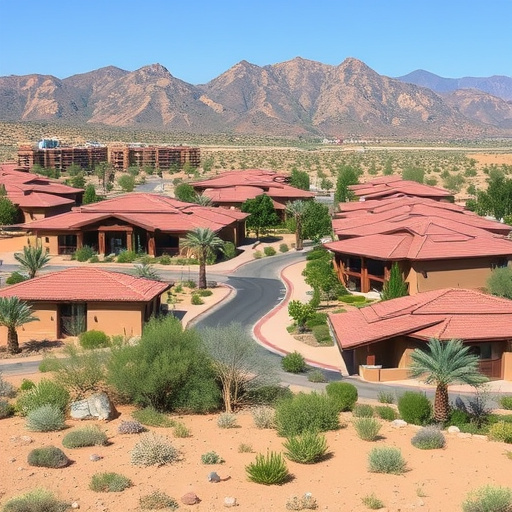
In the realm of community development, especially within master plan communities like Anthem AZ, the distinction between Owner Use and Revenue Balance is a delicate yet pivotal factor that significantly influences resident services and amenities. The former refers to the allocation of resources for direct use by property owners, while the latter involves generating revenue from community facilities to fund various services. For instance, in Anthem AZ’s master plan community reviews, residents often weigh the benefits of dedicated spaces like community gardens or parks against fees used to maintain and enhance these areas.
When balanced effectively, Revenue Balance can enable communities to offer a broader spectrum of amenities, ensuring that all residents have access to quality services tailored to their needs. For Anthem AZ, this could mean investing in well-maintained daisy mountain hiking trails (a natural gem within the community) alongside other recreational facilities. Proper financial management allows for the creation of vibrant social spaces and robust support services, enhancing the overall quality of life for all residents. However, mismanaged or imbalanced funds can lead to overreliance on Owner Use, potentially limiting the diversity and quality of amenities available to the entire community.
Expert perspectives suggest that a balanced approach integrates both strategies. Communities should allocate dedicated resources for core services while leveraging Revenue Balance to fund specialized amenities and enhance existing ones. For example, Anthem AZ master plan community reviews could point to successful initiatives where revenue generated from community events or facility rentals supports additional programming, such as fitness classes or art workshops. This dual strategy fosters a thriving community spirit while ensuring sustainability and diversity in resident services, ultimately enriching the experience for all who call Anthem AZ home.
Regulatory Compliance and Legal Implications

In the realm of community management, understanding the nuances between Owner Use and Revenue Balance is paramount for regulatory compliance and legal integrity, particularly within master plan communities like Anthem AZ. These financial concepts significantly impact a community’s operational framework, governance, and relationship with stakeholders. For instance, Anthem AZ master plan community reviews often scrutinize these aspects to ensure fair practices and maintain the community’s long-term sustainability.
Owner Use refers to the allocation of revenue generated from community amenities and services directly to cover operating expenses and enhance common areas. Conversely, Revenue Balance involves setting aside a portion of income for future capital improvements, debt service, or reserve funds. Balancing these components is crucial; excessive Owner Use can lead to deferred maintenance and infrastructure decay, as exemplified by deteriorating daisy mountain hiking trails in Anthem AZ communities where revenue is mismanaged. On the other hand, overemphasizing Revenue Balance might restrict immediate community enhancements, potentially causing dissatisfaction among residents.
Regulatory bodies and legal frameworks play a pivotal role in dictating these financial practices. Community associations must adhere to state laws and industry standards, such as transparent financial reporting and reserve fund management guidelines. For instance, many jurisdictions mandate specific reserve ratios for common area maintenance and capital expenditures. Compliance ensures the community’s legal protection and fosters trust among residents. Expert advice suggests regularly reviewing financial policies, conducting thorough budget analyses, and engaging in open dialogue with stakeholders to navigate these complexities effectively.
Best Practices for Sustainable Financial Management

In the realm of financial management, especially within master plan communities like Anthem AZ, striking a balance between owner use and revenue is crucial for sustainable growth. This delicate equilibrium ensures that community resources are allocated efficiently, catering to both current residents’ needs and future investments. The best practices involve strategic planning and thoughtful decision-making processes that adapt to the dynamic nature of the real estate market.
One effective approach is to implement a comprehensive financial model that projects revenue streams from various sources—including property taxes, association fees, and amenity usage—while also factoring in operational costs. For instance, Anthem AZ master plan community reviews often highlight successful initiatives where daisy mountain hiking trails are maintained through a combination of user fees and strategic partnerships with local outdoor groups. This not only generates revenue but also enhances the overall resident experience. Balancing these factors prevents overspending and ensures funds are directed towards essential services and infrastructure upgrades.
Furthermore, fostering transparency and engagement among community stakeholders is vital. Regular financial updates, open forums, and surveys can gather valuable input from residents and property owners. By embracing this collaborative approach, communities can make informed decisions about capital improvements, such as enhancing Daisy Mountain hiking trails or developing new recreational facilities, ensuring these additions align with the community’s priorities and budget constraints. Ultimately, sustainable financial management is a continuous process that requires adaptability, foresight, and a deep understanding of the local market dynamics.